
El Ciudadano
Original article: En el mar de Atacama se escribe la historia: Comunidades changas y pescadores firman acuerdo de gobernanza comunitaria ECMPO
Groundbreaking Agreement Establishes a New Model of Coastal Governance in Atacama
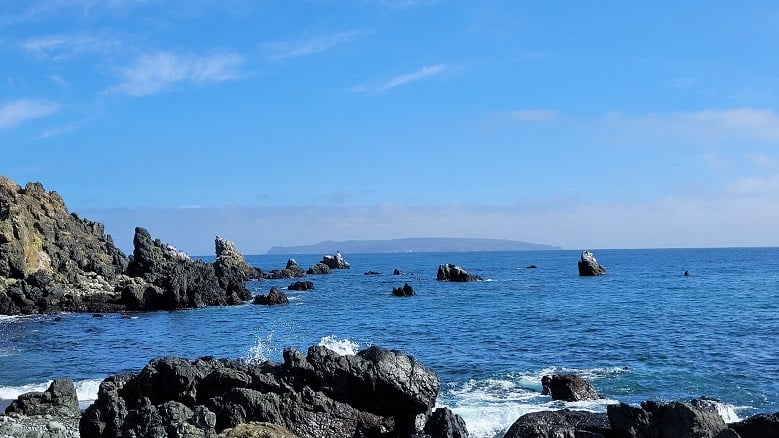
In a commendable dialogue process that stands in stark contrast to the polarized national debates, changa Indigenous communities and artisanal fishermen’s unions from Freirina have forged pioneering agreements for the co-management and co-administration of two future Marine Coastal Spaces for Indigenous Peoples (ECMPO).
This milestone, focused on the requests for ECMPO Tifuka and Caleta Vieja, is redefining coastal governance in Atacama, demonstrating that intercultural collaboration is the foundation for sustainable development.
A Collaborative Model that Disarms Criticism
According to an analysis published by HVA Radio, by anthropologist Rodrigo Díaz Plá, this experience in Caleta Chañaral de Aceituno provides «a concrete—and often overlooked—example that ECMPOs are not synonymous with conflict, obstruction, or a threat to development.»
The article highlights that contrary to the narrative of exclusion, these spaces aim to «protect a fragile cultural and ecological territory» and «encourage a more participatory and transparent management.» The most tangible evidence of this spirit, reports Díaz’s publication in HVA Radio, are the agreements with three fishermen’s unions in Freirina for their inclusion in co-management, a fact that refutes the criticism that ECMPOs «close off the sea.»
The willingness to engage in dialogue has been so profound that, as detailed by the same outlet, the requesting community expressed readiness to «partially withdraw various parts of the polygon from the ECMPO Caleta Vieja request to expedite the construction of a modern new landing site.»
This action, a necessity for all neighbors, strengthens the core argument that this process seeks balance. Rodrigo Díaz’s analysis in HVA Radio concludes that ECMPO Tifuka and Caleta Vieja represent «a tool to balance interests, rather than confront them,» pointing out that the real danger to the coastline is «the inability to sit down and talk.»
Informational Meetings Seal Formal Commitments
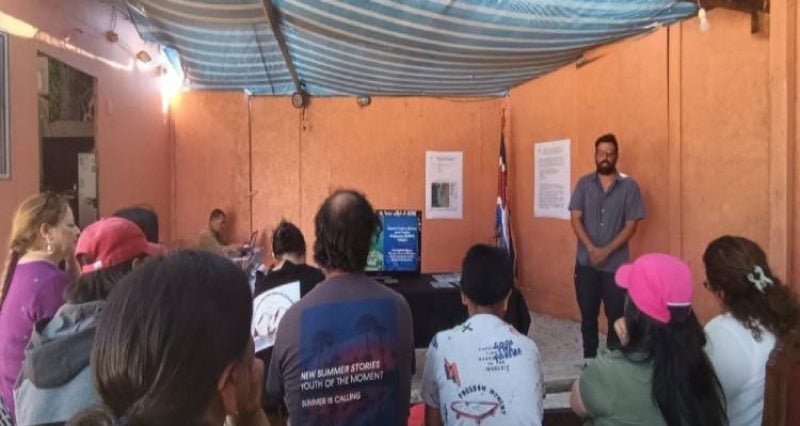
The journey to these agreements was built through a rigorous participation process. Atacama Noticias reported that Freirina hosted a cycle of three key meetings: one municipal informational session, another regional, and an Indigenous consultation, all attended by the Government Regional Secretary, Sebastián Fergiadotti.
In these sessions, according to reports from the Atacama media, «commitments were signed with various fishermen and seaweed harvester unions,» who will be included in the Management Plan of ECMPO Tifuka, ensuring the protection of their traditional practices.
The culminating event was the formalization of these commitments «through an agreement document, signed in the presence of CONADI officials.» In this document, representatives from the unions expressed their willingness to work jointly with Indigenous communities in developing the future management plan. Secretary Fergiadotti, quoted directly by Atacama Noticias, emphasized the value of such meetings: «meetings like this are essential to combat prejudice, halt misinformation, and restore seriousness to public discussion.»
Local Voices Highlight Transparency and Future Vision
Local stakeholders have positively acknowledged the transparency and outcomes of the process. María Piñones, president of an Indigenous community in Bahía Carrizalillo, stated to Atacama Noticias: «I found the meeting important because it was held on-site, allowing for dialogue and personal connections.» Meanwhile, Felipe Rivera Marín, coordinator of the ECMPOs, explained in the same publication that the proposal goes beyond mere exploitation, incorporating «cultivation actions, restoration, repopulation, tourism activities [and] heritage safeguarding.»
This comprehensive vision, which links traditional knowledge with modern technical management, is what Rodrigo Díaz’s analysis in HVA Radio identifies as «a unique opportunity to advance towards intercultural co-management models.»
By strengthening sustainable local activities and establishing a consensus-based governance framework, the process not only protects the valuable ecosystem of the Humboldt Archipelago, but also sets an inspiring precedent for coastal management in Chile for the coming decades.
La entrada Atacama’s Coastal Governance Revolution: Changa Communities and Fishermen Forge Groundbreaking ECMPO Agreement se publicó primero en El Ciudadano.
🔥 Ver noticia completa en ElCiudadano.cl 🔥