El Ciudadano
Original article: Chile avanza en verdad, la derecha retrocede en justicia: el proyecto que abre atajos para criminales de la dictadura
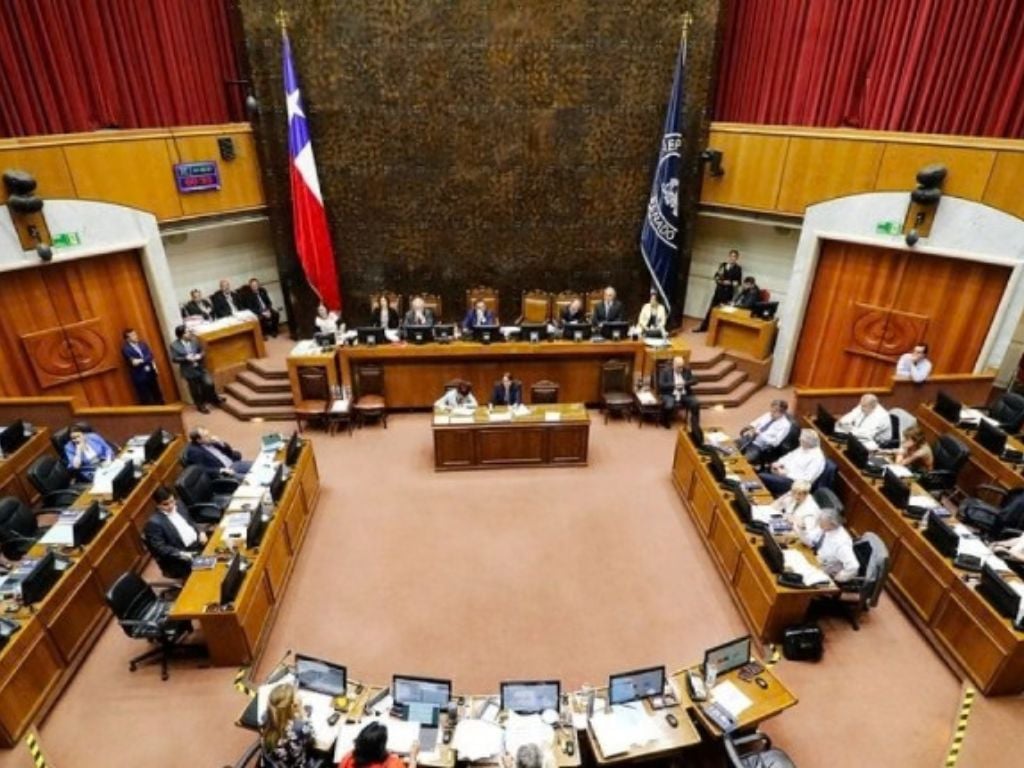
The general approval of the bill regulating the suspension and alternative compliance of prison sentences has reignited a debate that Chile has faced multiple times since returning to democracy. With a narrow vote—23 in favor and 22 against—the Senate has green-lighted an initiative proposed by right-wing lawmakers that opens the door for certain convictions to be fulfilled through alternative means, such as house arrest.
Legally, the proposal modifies the framework for serving sentences. However, the debate it has generated is far from a mere technical discussion. The reason is straightforward: among those who could potentially benefit from these mechanisms are individuals convicted of human rights violations committed during the dictatorship.
This aspect explains why the discussion quickly escalated beyond the confines of the penitentiary system. In Chile, convictions for crimes committed during the dictatorship were neither immediate nor straightforward. On the contrary, the judicial process that allowed these crimes to be investigated and punished has taken—and continues to take—decades to solidify.
For many years, cases involving kidnappings, torture, forced disappearances, and political executions progressed slowly through the courts. It was not until the late nineties and early 2000s that firm sentences started to be issued against former agents of the repressive apparatus.
This progress did not happen spontaneously. It was the result of persistent efforts from victims’ families, human rights organizations, and lawyers who for decades insisted on the need to investigate what happened during the dictatorship. It was also made possible by judges who, over time, began to open cases that had remained nearly stagnant for years.
From Penitentiary Debate to Democratic Discourse
In recent days, the discussion has also included a warning that amplified criticisms of the project. Former prosecutor Carlos Gajardo asserted that the initiative could effectively operate as a kind of “hidden amnesty law”, allowing individuals convicted of various offenses to serve their sentences at home under specific health criteria.
He explained that the issue doesn’t only lie in the age of the convicted but that the approved text would enable requests for this benefit based on the existence of chronic illnesses that cannot be adequately treated in prison. Following this logic, the scope of the law could extend far beyond cases related to human rights violations, potentially opening the door for individuals convicted of serious offenses—including homicides or sexual abuses—to request to serve their sentences outside of prison.
Therefore, every time changes to the enforcement of penalties for such offenses are discussed, the debate inevitably acquires a deeper political dimension.
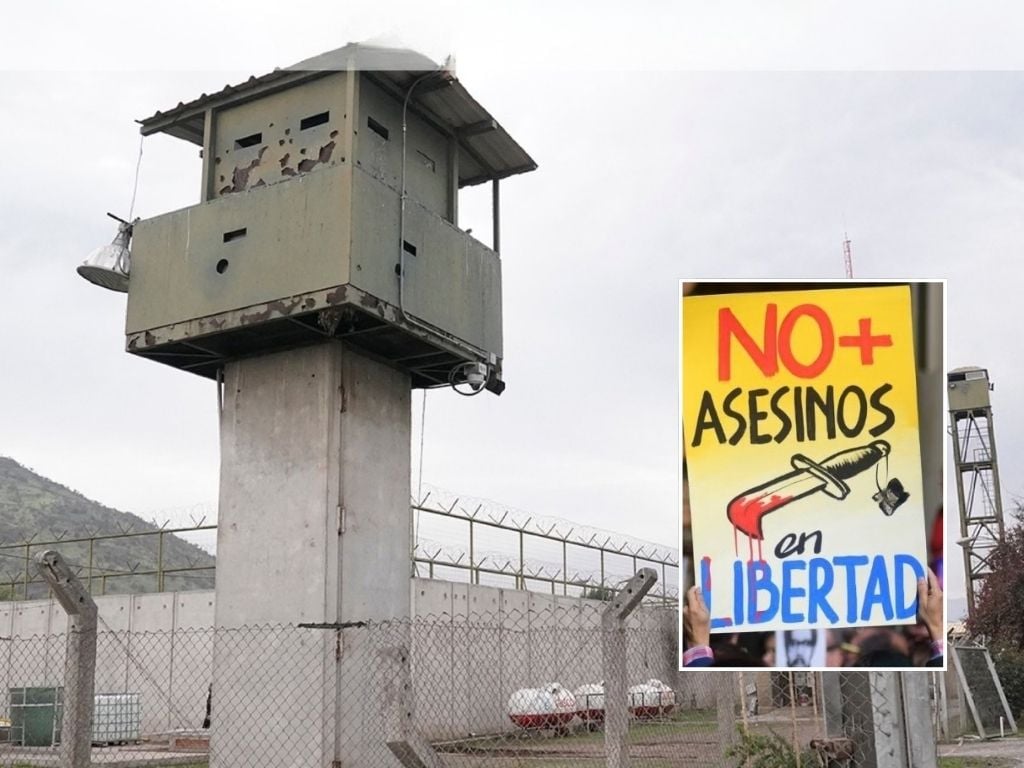
One of the cases frequently mentioned in discussions of convictions for human rights violations is that of Miguel Krassnoff Martchenko, a former agent of the National Intelligence Directorate. Krassnoff has numerous convictions for kidnappings, torture, and disappearances executed in clandestine detention centers during the dictatorship, such as Villa Grimaldi and Londres 38.
Referencing names like his helps illustrate the magnitude of the debate. When discussing potential benefits for prisoners, we are not only talking about common crimes. We are addressing offenses recognized under international law as crimes against humanity.
This legal category exists precisely because certain acts cannot be analyzed solely from a traditional penal perspective. Forced disappearance, torture, or extrajudicial executions are considered attacks against humanity itself when committed by the state apparatus.
For this reason, over the decades, international courts and human rights organizations have insisted that these crimes must be effectively investigated, prosecuted, and sanctioned.
A Debate that Resurfaces as the Country Seeks Progress
The current discussion is also taking place in a particular context. In recent years, the Chilean State has sought to strengthen policies aimed at memory and truth, especially regarding victims of the dictatorship.
An example of this is the National Search Plan for forcibly disappeared persons, an initiative that aims to clarify the fate of those who were victims of enforced disappearances during the military regime.
This is why for many observers, the legislative debate on the relaxation of sentence enforcement appears as a contradictory signal. While efforts are being made to advance truth and memory, a new initiative arises that could end up benefiting some of those responsible for those same crimes.
Supporters of the project often argue that the discussion is rooted in humanitarian reasons, primarily linked to the advanced age or health conditions of some incarcerated individuals. However, for critics of the initiative, the core issue lies in the political message it conveys.
Victims and their families have waited decades for justice to establish accountability. In many cases, even today, the circumstances surrounding the crimes and the ultimate fate of the forcibly disappeared remain largely unknown.
Memory, Democracy, and the Meaning of “Never Again”
The controversy reveals that democratic consensus around the crimes of the dictatorship remains a sensitive issue.
Democracies are not sustained solely by institutions and electoral processes. They are also built on fundamental ethical agreements regarding what a society decides not to repeat.
In Chile, this commitment has been expressed over the years in the pursuit of truth, justice, and memory driven by victims’ families and human rights organizations. Thanks to this persistence, the country has made progress—albeit late—in prosecuting crimes committed by the state apparatus.
Thus, the current debate transcends the legislative realm. The discussion is not just about how certain sentences are served but also about what the democratic memory signifies today.
Because memory is not merely a look back at the past. It is also a decision about the future and the limits a society is willing to uphold so that certain violations never happen again.
At its core, this is not a discussion about ankle monitors or home detention. It is a conversation about the value of justice when it is uncomfortable, about whether the state dares to uphold its own convictions or starts to negotiate the “never again” as time passes. Because when shortcuts are opened for dictatorship criminals, it is not only a penalty that is relaxed; it is the ethical foundation of democracy that is compromised.
La entrada Chile Moves Towards Truth as Right-Wing Retreats in Justice: Controversial Bill Benefits Dictatorship Criminals se publicó primero en El Ciudadano.
🔥 Ver noticia completa en ElCiudadano.cl 🔥