El Ciudadano
Original article: Conservadora da consejos para preservar fotografías y libros en casa durante el verano
As summer arrives and temperatures rise, households face various environmental conditions that may not be ideal for preserving books, documents, and photographs.
Factors such as excessive heat, humidity, direct sunlight, and dust can accelerate the deterioration of these materials, many of which hold personal significance and are part of family heritage.
In this context, experts from the Heritage Conservation Area of the Andrés Bello Central Archive at the University of Chile have provided a series of recommendations for individuals looking to better preserve their personal collections without the need for specialized equipment or transforming their homes into storage facilities.
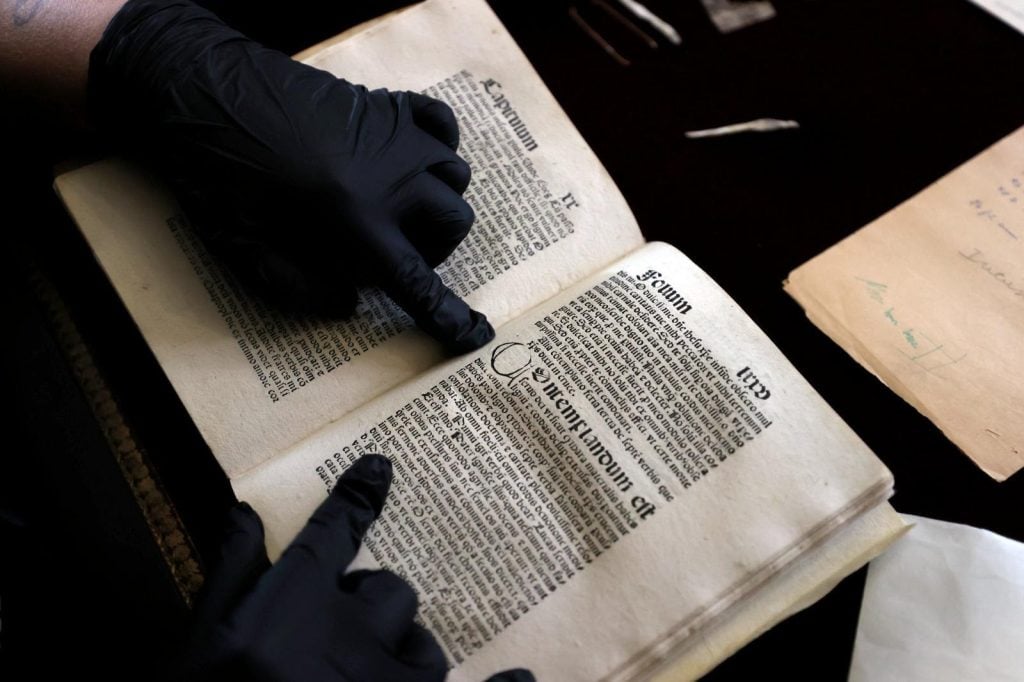
First, Loreto Millar, coordinator of the Heritage Conservation Area, explains that caring for materials at home is quite different from the care they receive in a museum, archive, or library.
«However, the truth is that deterioration occurs in any of these spaces. It is precisely these common degradations that people must pay attention to, especially if they want their cherished items to last over time,» she emphasized.
The specialist noted, «Books, documents, and photographs found in our homes are primarily made of organic materials, such as paper, leather used in some bindings, or photographic emulsions. These materials are hygroscopic, meaning they absorb moisture and constantly react to their surrounding environmental conditions.»
«When observed under a highly magnified lens, it becomes apparent that these materials have porosities and small holes. Essentially, it’s as if the material, to some extent, ‘breathes’ on its own, absorbing moisture and trapping dust,» explained the conservator.
In the context of high temperatures, these materials can experience nearly imperceptible contractions and expansions in paper and other supports. Unlike damage caused by specific incidents, deterioration from heat and humidity is not usually immediate; however, over time, these subtle deteriorations accumulate and result in visible damage.
«Pages that begin to yellow, bindings that deform, papers that become brittle, or photographs whose surfaces start to stick together. These processes are slow, progressive, and cumulative, making prevention the key tool to delay or avoid them,» points out Loreto Millar.
Here are some simple tips for caring for books and documents:
Avoid exposing materials to direct sunlight: One of the first steps is to prevent books, photographs, and documents from being placed near windows or areas where they receive direct sunlight. Prolonged exposure to the sun causes chemical reactions in paper that accelerate yellowing, color loss, and weakening of the fibers.
Keep spaces dust-free and choose a good storage location: Dust can settle in the fibers of paper and retain moisture, so it is advisable to periodically clean shelves and surfaces with dry, soft cloths to help mitigate this risk.
Additionally, it is recommended to store books in spaces that are not excessively hot or too humid and, if possible, ventilate them regularly. The body’s own «sensor» can identify when a space feels uncomfortable due to high temperatures, and that same perception serves as guidance to protect materials at home when specific tools for measuring and controlling the environment are not available.
While specialized metal furniture is used in archives and heritage libraries to avoid oxidation, there is no need to replace wooden shelves in homes. For the conservator overseeing the heritage core, what matters is that—if possible—furniture is in good condition, clean, and located in dry areas.
Check walls and nearby areas: Another recommendation is to avoid placing books next to walls with moisture stains, pipes, or leaks, as prolonged exposure over time can lead to accidents from broken pipes, damage to books, documents, and photographs due to water, and the emergence of mold, one of the most complex and dangerous damages both for materials and human health.
Specific Recommendations for Photographs
Regarding photograph preservation, Loreto Millar points out that they require special care since their emulsion layer is particularly sensitive to heat and humidity. However, implementing simple changes or actions at home can help them last longer.
Avoid storing them in plastic bags or unventilated containers: One of the most common mistakes when conserving photographs is storing them in plastic bags. This type of packaging can create microclimates inside due to the lack of ventilation, which, combined with high temperatures, leads to the images sticking together or the emulsion softening and peeling away from the paper.
This is why the conservator suggests using acid-free paper envelopes or boxes designed for preservation. Alternatively, some specialized bookstores sell these materials at more accessible prices, which can be used to wrap or separate documents and photographs. If these options are unavailable, a cardboard or plastic box can serve as a temporary solution as long as it has small perforations to allow for air circulation.
Watch for early signs of deterioration: If photographs start to feel sticky or adhere to each other, it’s recommended to move them to a cooler, darker, and ventilated space. Additionally, if they begin to lose color, it may be due to exposure to direct light; if possible, move them to a shadier area.
El Ciudadano
La entrada Expert Tips on Preserving Photographs and Books at Home During the Summer se publicó primero en El Ciudadano.
🔥 Ver noticia completa en ElCiudadano.cl 🔥