El Ciudadano
Original article: Abogada de familia de Julia Chuñil acusa que “la investigación tiene un sesgo”: “Hay antecedentes que no se han investigado”
Both the defense of Julia Chuñil’s children and the lawyer of her ex-son-in-law highlight structural failures, a diversion in the search for the Mapuche leader, and procedural violations within the detentions for aggravated homicide and parricide.
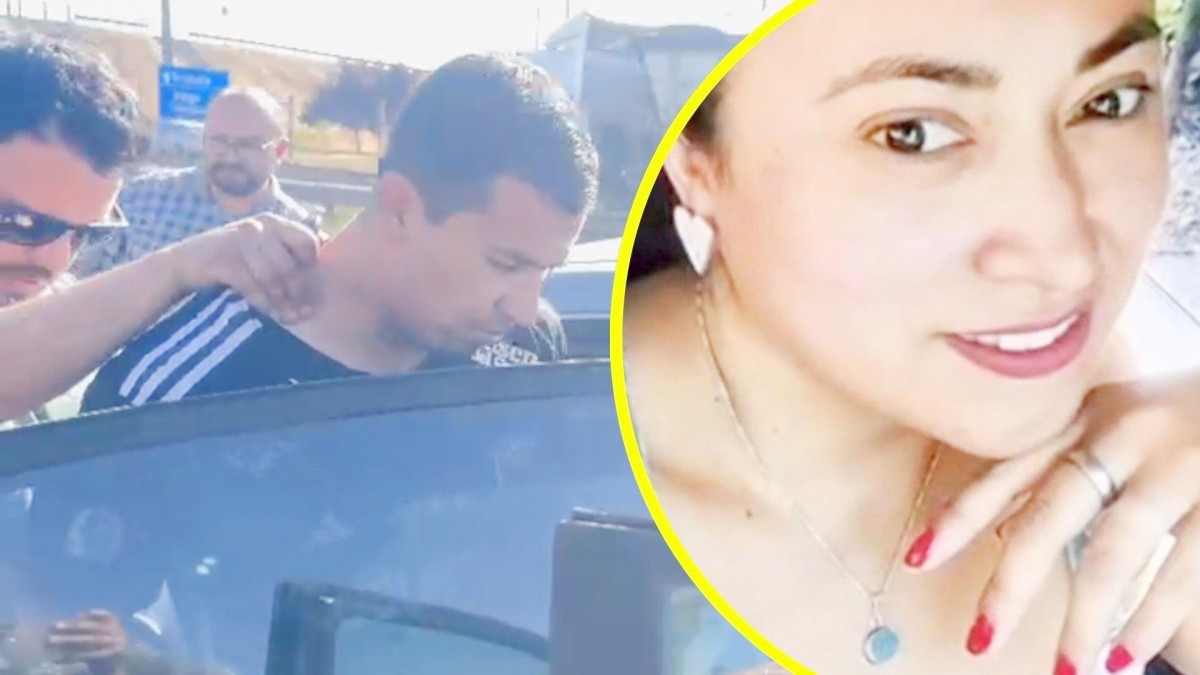
Wednesday morning marked a new and dramatic development in the investigation into the disappearance of Julia Chuñil, a Mapuche leader last seen on November 8, 2024, in Máfil, Los Ríos Region. In a coordinated operation by the Regional Prosecutor’s Office of Los Ríos, Carabineros detained four individuals, including Pablo San Martín Chuñil, Jeannette Troncoso Chuñil, and Javier Troncoso Chuñil, the three children of the environmental defender, alongside her ex-son-in-law, Bermar Flavio Bastias Bastidas.
Detention hearings were conducted at the Los Lagos Guarantee Court, where the Public Ministry charged the three children with aggravated homicide and parricide, while the ex-son-in-law was charged with aggravated homicide. Additionally, all four face charges of robbery with violence and intimidation against a senior citizen over 90 years old.
The court upheld the legality of the detentions and scheduled the formalization hearing for Thursday, January 15.
Despite the Public Ministry not publicly disclosing specific evidence directly linking the detainees to the presumed death of the elderly woman, the classification of the crimes suggests the existence of evidence that is expected to be detailed in upcoming hearings. However, the defense for Chuñil’s children, along with the family’s international representation, expresses fundamental doubts about the investigative process, labeling it as having a «bias,» being deficient, and obstructing the search for the Mapuche activist.
Structural Failures in the Investigation
In an interview with Radio y Diario Universidad de Chile, attorney Mariela Santana from the Corporation for the Promotion and Defense of the Rights of the People (CODEPU) emphasized the structural failures present in this case.
“The investigation into Julia Chuñil’s disappearance has been highly criticized since its inception,” stated the lawyer, who, until October 2023, worked alongside Karina Riquelme representing the children of the president of the Putreguel Mapuche community, and is currently focused on supporting the case in international forums.
“It has not met the due diligence standards expected for someone like Julia Chuñil, who belongs to a group of individuals requiring special protection due to her identity as a woman, a community member, a Mapuche, and a land defender,” she explained.
According to Santana, these deficiencies led the Inter-American Commission on Human Rights (IACHR) to issue a precautionary measure in July, mandating the Chilean state to intensify search efforts and keep the family informed, a mandate she argues has been more declarative than effective.
“The international body recognized that the investigation had significant gaps and was not being conducted properly,” she noted.
The attorney detailed that during CODEPU’s representation of Javier Troncoso Chuñil, they had requested nearly 50 investigative actions, many of which were not executed or carried out poorly.
“We verified that the Public Ministry had not approached the search actions with the necessary technical insight and the perspectives that should have guided them,” she asserted, reinforcing her central view: “The investigation has a bias; there are aspects that have not been investigated.”
Unexplored Evidence and Bias Against the Children
Santana outlined what she considers serious omissions. First, she pointed out that the role of the CONADI has not been investigated, “which could provide insights into the motivations for Julia’s disappearance.”
She also criticized that “many actions were not considered, and crucial evidence was lost.”
“Sediment samples were not taken from a grave that was discovered; locations identified by the family were not georeferenced. We insist that the investigation is deficient,” she noted.
According to the attorney, the inquiry has predominantly targeted the children of Julia Chuñil since the outset.
“The actions ordered regarding third parties have been minimal and non-intrusive,” she stated.
One of these third parties is agroforestry businessman Juan Carlos Morstadt Anwandter, described by the prosecution as “a primary interest subject,” allowing for various intrusive actions, including wiretaps.
In fact, Chuñil vanished after repeatedly reporting threats from Morstadt, against the backdrop of a land conflict. The Mapuche leader and her community had reclaimed 900 hectares of ancestral territory, which CONADI subsequently handed over to the businessman, viewed in the region as a figure of political and financial power.
According to the Public Ministry’s investigation, the elderly woman was last seen on the “La Fritz” property, owned by Morstadt, “who maintained a prior and ongoing conflict with the victim.”
During the inquiry, authorized wiretaps of the businessman became particularly significant. In some of those conversations, he seemed to imply that he possessed sensitive information regarding the activist’s fate. This context includes a call with his father where he referred to Julia Chuñil being “burned.”
In this regard, Santana questioned the investigation’s lack of depth concerning the businessman.
“We understand that there have been no raids conducted at Morstadt’s premises; the vehicles we requested to be inspected have not been thoroughly examined. Only one vehicle belonging to this individual’s father was inspected, revealing that all computer records had been erased, making it particularly crucial to analyze the other vehicles, which did not happen,” she emphasized.
Additionally, the attorney revealed a piece of information she claims has been overlooked: medical documentation placing Javier Troncoso out of the scene on the day of the incident.
“I proactively requested communications confirming that Javier Troncoso was not at the location during his mother’s disappearance. He was undergoing medical exams in Puerto Montt as part of a job application. The clinic confirmed this. However, this evidence has not been acknowledged in any media nor duly considered by the Public Ministry,” she charged.
Santana concluded her comments with a critical reflection on the investigation’s goal, arguing that it focuses on assigning blame “before exhausting the effective search for Mrs. Julia Chuñil.”
“The first step the Public Ministry—and indeed, the entire Chilean state institution—should have taken is to exhaust the search efforts because without truth, there is no justice; responsibilities cannot be determined without certainty about what happened to Julia Chuñil and her whereabouts,” she emphasized in her statements to the cited media outlet.
Critiques of the Prosecution and the Detention
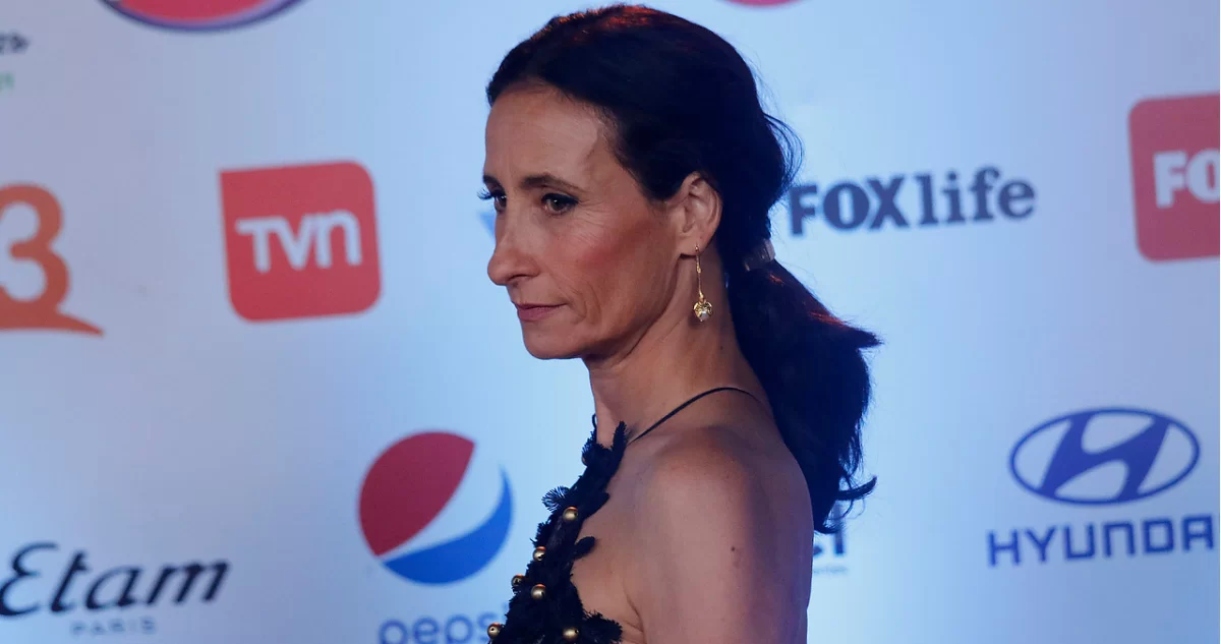
Meanwhile, attorney Karina Riquelme, who currently represents Chuñil’s children, also expressed harsh criticisms, particularly regarding the arrests.
In a conversation with the morning show Mucho Gusto, she stated, “We must be rigorous about what is happening, particularly regarding a family that lost their mother and has been denouncing lies being spread against them for over a year.”
Riquelme asserted that the Public Ministry has not communicated with her despite international precautionary measures and has not pursued lines of investigation suggested by the family “against significantly powerful individuals in the sector.” Additionally, she reiterated: “The evidence that ‘has been stated to exist’ and has been leaked to the press, I have been able to demonstrate as false every time I have reviewed the investigation files.”
The defense attorney announced that she will request that regional prosecutor Tatiana Esquivel no longer handle the case, citing a conflict of interest.
“What surprises me is that I learned that who carried out the violent raid with children present, namely the children of Jeannette Troncoso, is Tatiana Esquivel, the same individual accused of illegal coercion against Jeannette,” she pointed out.
Furthermore, she alleged that “there has been incrimination from the Public Ministry based on false evidence regarding supposed blood samples, as we found out by reviewing the investigation files that this is not the case.”
“I have accessed the investigation files that the Public Ministry—who is investigating them—has provided me with (…) Within those records, there is no evidence that could implicate them,” stressed the lawyer in statements reported by Bio Bío Chile.
Ex-Son-in-Law’s Defense Claims Detention was Illegal
After the hearing, Juan Pablo Alday, public defender for Bermar Flavio Bastias Bastidas, Chuñil’s ex-son-in-law, declared to reporters that “the Public Ministry lacks grounds to reasonably presume” the involvement of his client.
“In this context, we will oppose any precautionary measures restricting freedom tomorrow,” he announced.
Alday accused the detention order of containing irregularities. “We believe the conditions for issuing this detention order were not met, and that the judicial resolution is not appropriately substantiated,” he asserted.
“There are no records in the investigative folder allowing for a reasonable presumption of my client’s participation. That is the standard set by the Criminal Procedure Code,” he pointed out.
La entrada Family Lawyer of Julia Chuñil Claims Investigation Shows Bias: «Key Evidence Remains Unexplored» se publicó primero en El Ciudadano.
🔥 Ver noticia completa en ElCiudadano.cl 🔥