
El Ciudadano
Original article: La pelota se detiene, la caja no: FIFA convierte pausas de hidratación del Mundial 2026 en negocio publicitario
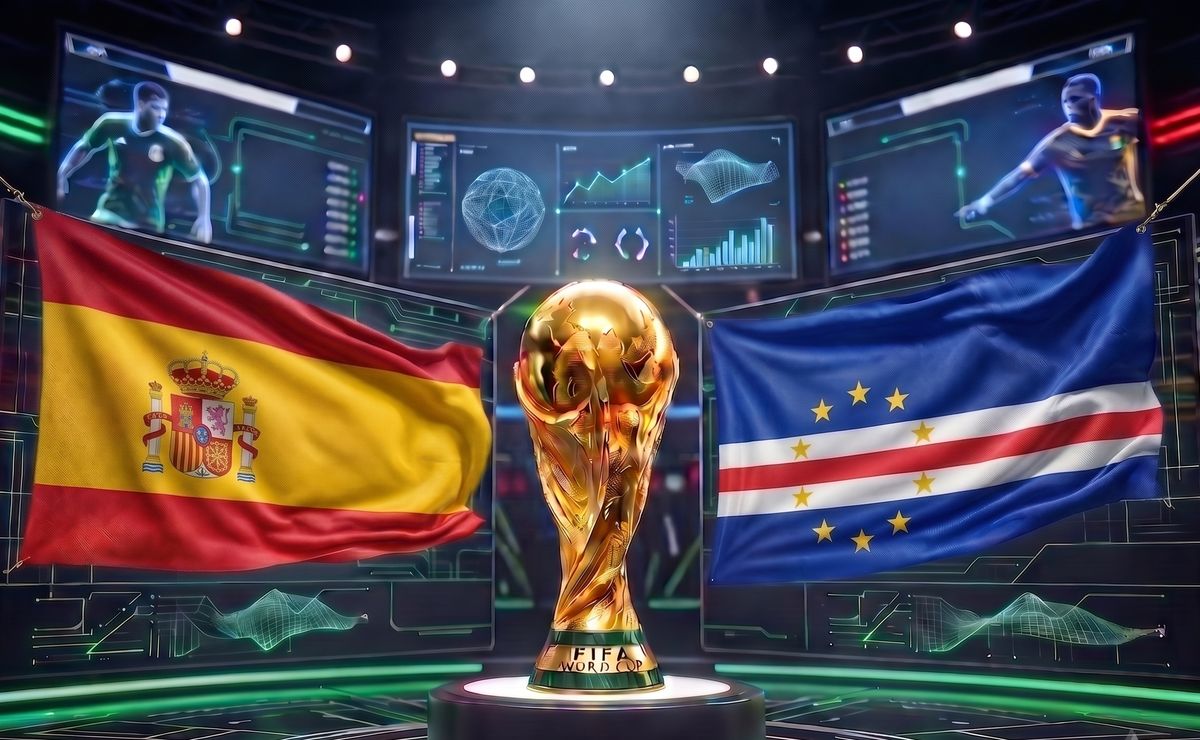
With the ball motionless on the field, players approach the sidelines to hydrate, and at that moment, the sports spectacle gives way to commercials. What was previously a rare measure to combat high temperatures in past World Cups has now become institutionalized in the 2026 tournament as a advertising tool.
FIFA has redesigned hydration pauses into mandatory three-minute blocks, effectively splitting the match into four quarters, a structure foreign to football tradition and aligned with media monopolies’ demands. Behind this decision, presented as a necessity for athlete hydration, lies a figure: $4.264 billion in broadcasting rights, the perfect incentive to interrupt the game as often as needed.
During these breaks, major television networks suspend their feeds from the stadiums and unleash a barrage of full-screen ads. The viewer is exposed to a deluge of advertising from multinational corporations and digital betting platforms that, through artificial intelligence, segment and capture users in real-time. The right to follow the continuous flow of the match is subordinated to economic benefit. The screen no longer displays sweat or tactical instructions from coaches during the forced break; it exhibits products, services, and sports predictions with algorithmically calculated odds.
But the impact is not solely commercial. The sports aspect is also affected. Coaches like Lionel Scaloni of Argentina and Didier Deschamps of France have voiced their concerns: these interruptions disrupt the offensive momentum of teams that are driving the match in their favor and, in practice, serve as tactical timeouts that help the opposing team when they are under pressure, as reported by TeleSUR.
Additionally, there have been documented delays in resuming play because referees must coordinate with FIFA officials to accurately time the commercial breaks, part of a marketing strategy where the business clock takes precedence over the sports clock.
According to the cited media outlet, these measures respond to the logic of the attention economy, where each interruption is meticulously calculated to redirect users’ attention toward their mobile devices and spike digital consumption. The FIFA, far from merely organizing tournaments, solidifies itself as an extractive actor that squeezes every silent minute on the field to fill it with revenue. Meanwhile, football drifts away from its roots of fluidity and surprise. A question inevitably lingers in the stands and newsrooms: how long will the next break need to last so that the revenue stream never, ever stops?
La entrada FIFA Turns World Cup 2026 Hydration Breaks into Lucrative Advertising Opportunities se publicó primero en El Ciudadano.
🔥 Ver noticia completa en ElCiudadano.cl 🔥