El Ciudadano
Original article: Tras audiencia en Tribunal Ambiental, comunidades acusan incumplimiento total del plan ambiental de Pascua Lama
Huasco Valley Communities Accuse Total Noncompliance of Pascua Lama Environmental Plan and Demand Rejection of Its Modification

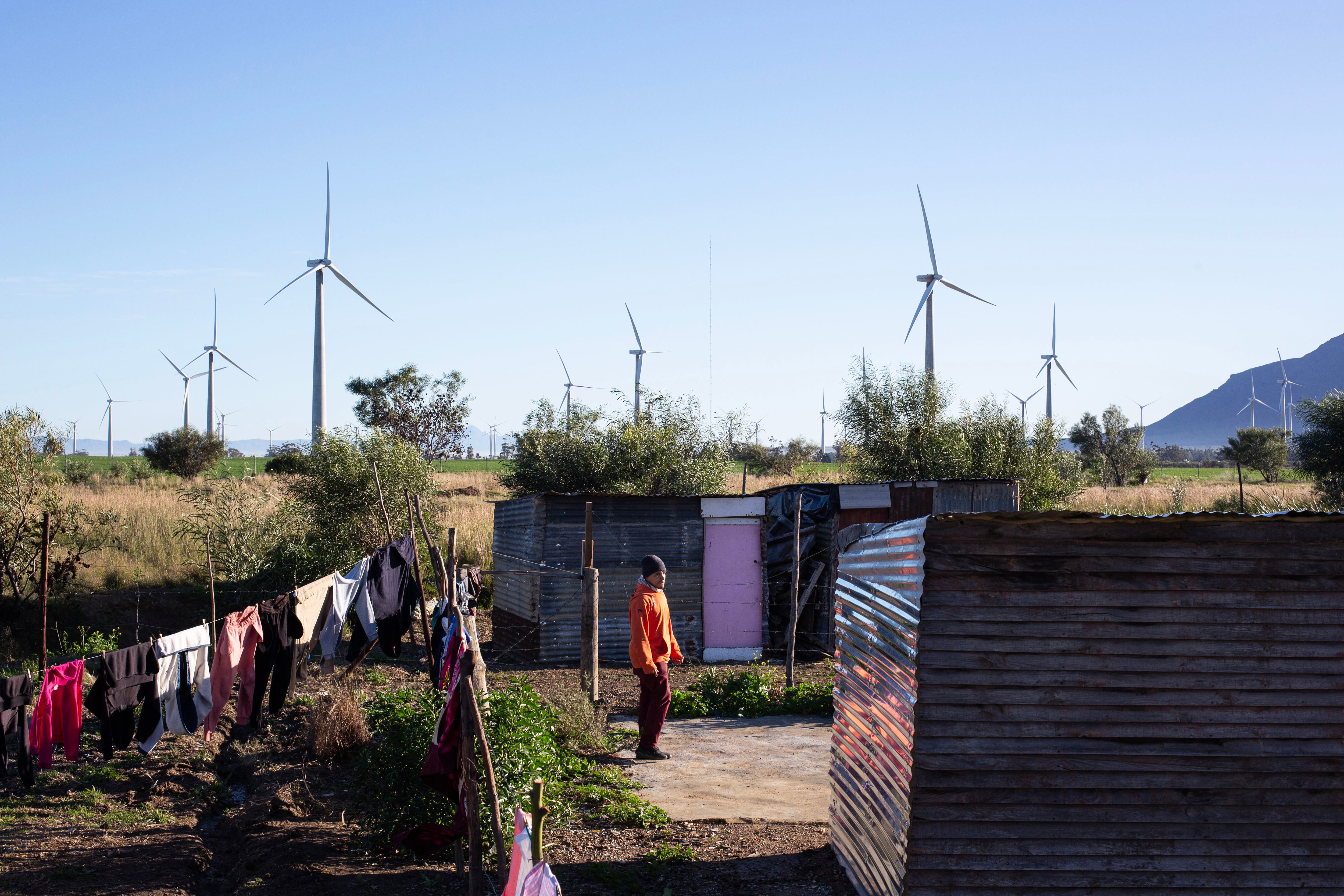
Images shared by Assembly for Water of Guasco Alto
Communities in the Huasco Valley described the recent hearing at the Environmental Court of Antofagasta as a process marked by delays, contradictions, and additional damage to the ecosystem, where advancements and changes to the environmental damage agreement relating to the Pascua Lama project were reviewed.
According to a statement released by the Assembly for Water of Guasco Alto, the original agreement—related to the «Restoration and Valorization Plan for the Andean Ecosystem»—failed to meet its primary objective after five years of implementation. They state, «The Agreement regarding the Restoration Plan for the wetlands (…) has not been fulfilled.».
The judicial process addresses the impact on vast areas of azorella and Andean wetlands, which are highly sensitive ecosystems. The central measure involved restoring an impacted wetland by recovering its hydric and biological conditions, along with transplant trials of species.
However, the communities—who have participated as third-party supporters since 2019—questioned the feasibility of the plan from the outset. They criticized the choice of the restoration site, a wetland previously affected by a landslide and utilized by the company as a storage area, which they argue made it «almost impossible» to restore its ecological functionality.
Additionally, concerns were raised over the extraction of thousands of plant samples from healthy wetlands to be relocated to an environment without guaranteed recovery, which they warn resulted in new biodiversity losses. These objections were submitted in judicial instances, albeit without success in substance.
During the most recent hearing, a proposal to modify the agreement was presented, which includes extending the plan by an additional two years. Nevertheless, the communities reported that this extension has been effectively in place since 2024, without court authorization and outside the original timeline that concluded in September 2025.
In this regard, they labeled the proposal as «untimely» and stated it seeks to justify noncompliance with arguments known since the beginning of the process. Among them is the alleged lack of evidence regarding the existence of a wetland in the intervened area, which they assert contradicts the foundations on which the plan was approved.
Moreover, they argue that the modifications are not mere adjustments but substantial changes that alter objectives, eliminate committed actions, and reduce compliance requirements. «It is evident that (…) we are dealing with a plan (…) that has not been fulfilled,» they indicate, accusing an attempt to «adapt results to feign achievements.».
Another critical point is the shift in focus towards preparing a study as the final outcome instead of effective ecosystem restoration. For the communities, this undermines the original purpose of the agreement, as «if there is no success, there is no viable protocol.».
During the hearing, the magistrates themselves expressed doubts about the effectiveness of the new goals. Questions arose about whether the proposed indicators—such as soil moisture levels—ensure ecological functionality, as well as uncertainty regarding potential long-term recovery.
Additionally, it was confirmed that the primary measure of the plan—the hydric restoration—was not fulfilled, achieving only a 50% progress, while the remaining actions showed mixed evaluations between the company and the State Defense Council.
The communities also reported additional impacts generated during the execution of the plan, including backfilling with contaminated material, interventions on healthy wetlands, and vegetation extraction with techniques that did not respect the agreed protocols, causing «stress, risk, and threat» to the ecosystem.
In this line, they rejected new proposed interventions, such as soil reduction, warning that they exacerbate the damage. «We do not want more interventions and impacts; enough has been enough,» they stated, emphasizing that these ecosystems are «unique and irreplaceable.».
Finally, they formally requested the court to reject the proposed modification of the agreement in all its parts, arguing that it violates the principle of environmental indemnity and does not acknowledge the failure of the original plan.
«The only way to safeguard this heritage (…) is to prevent its destruction,» concludes the statement, calling for a declaration of noncompliance with the plan and urging for the strengthening of protections for Andean wetlands as key ecosystems in the face of climate change.
Access the full public statement from the Assembly for Water of Guasco Alto (PDF)
Public Statement on Conciliation Changes and Noncompliance of Pascua Lama Assembly Valley Guasco
La entrada Huasco Valley Communities Accuse Total Noncompliance of Pascua Lama Environmental Plan in Latest Environmental Court Hearing se publicó primero en El Ciudadano.
🔥 Ver noticia completa en ElCiudadano.cl 🔥