
El Ciudadano
Original article: Análisis internacional por balotaje en Chile: “Candidatos han quedado a expensas de los indecisos y de esos 5 millones de jóvenes obligados a votar”
Analysis: The Young and Undecided Vote Will Determine the Most Polarized Runoff in Decades
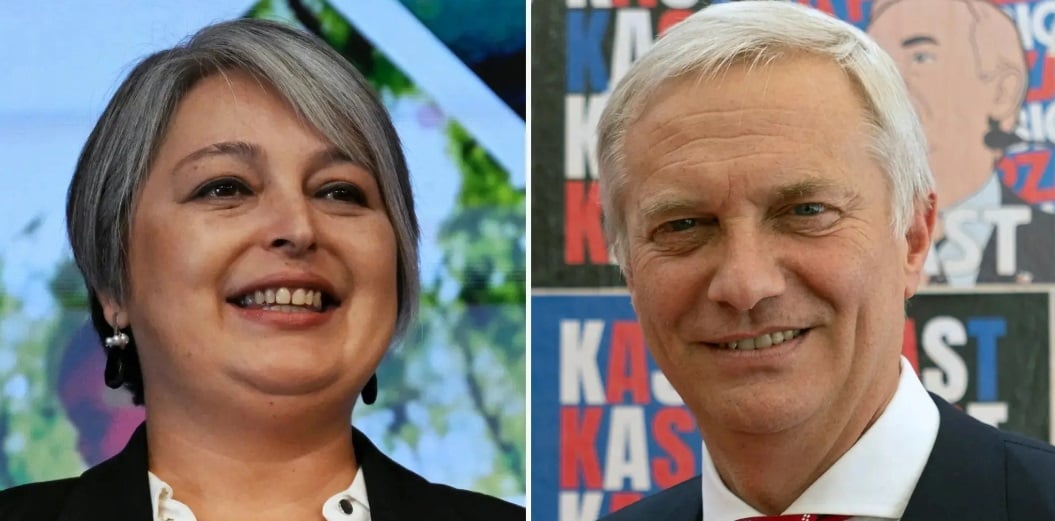
The Diario RED examines the tense runoff election in Chile between PC candidate Jeannette Jara and far-right representative José Antonio Kast. This election, characterized by polarization, does not offer a clear solution to economic and security issues but instead presents a dilemma between a continuity that could prevent further political escalation and an option with Kast that might deepen internal division and align the country with Donald Trump’s global politics. The outcome is likely to hinge on the behavior of decisive groups: voters who supported Kast in the first round, the undecided who followed Franco Parisi—who has called for nullifying ballots—and, importantly, the approximately five million young voters participating in their first election, many of whom witnessed the social upheaval of 2019.
The analysis emphasizes the extreme caution exhibited by both candidates, who during the campaign refrained from taking risks to avoid losing voters, focusing instead on solidifying their bases rather than expanding them. This strategy, combined with potential electoral fatigue after cycles of protests without substantial solutions, leaves the outcome in the hands of this volatile segment and undecided voters. Although polls indicate a technical tie, one certainty is that the next government will face immense pressure to fulfill promises regarding security, migration, and employment, and this Sunday could yield surprises that defy all forecasts.
For a more detailed analysis of the scenarios, we invite you to read the full publication from Diario RED.
Chilean Elections
Who Will Determine Whether Kast or Jara Wins?
Chilean citizens have a new opportunity following the experiences of recent years under Gabriel Boric. This chance does not merely stem from deciding if one of the two final candidates presents their voters with a great way out of economic difficulties, security issues, and general social well-being. Firstly, because the more skeptical view contends that continuity under Jeannette Jara would barely avoid political escalation, while Antonio Kast would cement long-term polarization and align closely with Donald Trump’s global politics.
This reality, with all its complexity in the realm of statistical speculation on the eve of the elections, can be understood solely by considering the electoral behavior of those who supported Kast in the first round, the undecided who voted for Franco Parisi, to which we must add those five million young voters participating for the first time, many of whom were observers of the October 2019 uprising. Although experts indicate that the votes for far-right candidates—Johannes Kaiser and Evelyn Matthei—do not automatically endorse Kast, it must not be forgotten that Parisi, who ranked third with nearly 20% of the votes in the first round, called for nullifying ballots or voting blank.
So, what exactly is at stake in Chile to comprehend what this Sunday will serve as the primary reference for citizen decision-making? Continuity? That Jara will do what Boric could not or would not? Or an alignment towards the right to ‘tune in’ with the conservative and neofascist wave that ruled during the regime of Sebastián Piñera, echoing the enduring impacts of Pinochetism in many middle-to-upper sectors?
Risk-taking was not one of the better-used strategies by either candidate, leaving their supporters dependent on undecided voters and those five million young citizens compelled to vote this Sunday.
Following the last debate, surveys did not significantly alter voter preferences, yet it is true that both candidates’ expressions reflected a remarkable caution since they played to avoid losing votes rather than aiming to gain more. This caution is particularly peculiar given the significant proportion of the population that remain unpronounced in polls and/or may provide false answers. This is why Kast adopted a different tone on stage compared to his media appearances, where he avoided discussing reforms to social laws or profound changes in the economy. Similarly, Jara did not significantly alter her narrative during interviews and debates where her proposals on social reforms began to sound like commonplaces, except for an overly aggressive reference to Venezuela, particularly when that South American nation is under American military siege.
In other words, risk-taking was not one of the better-used strategies by either candidate, and by doing so their supporters have been left at the mercy of the undecided and those five million young people compelled to vote this Sunday. There is even an ‘electoral fatigue’ following multiple cycles that have not resolved underlying issues, as experts in polling suggest. This is a dangerous symptom for those who believe that the possibility of a new constitutional process has evaporated from the political landscape and in the expectations of those pivotal sectors from the social protests of 2019.
The only consensus among the finalists is that the next government will face serious difficulties if it does not fulfill its promises to improve security, bring migration under control, and enhance employment opportunities. If these concerns resonate with voters, this Sunday could also bring surprises that exceed the forecasts and expectations of pollsters.
La entrada International Analysis of Chile’s Runoff Election: «Candidates Rely on Undecided Voters and 5 Million Young Citizens Forced to Vote» se publicó primero en El Ciudadano.
Ver noticias completa