
El Ciudadano
Original article: ¿Vuelve el fantasma de Pascua Lama? Kast y Milei reactivan tratado minero y encienden alertas por los glaciares
The recent renewed push for the Mining Integration and Complementation Treaty between Chile and Argentina under the administrations of José Antonio Kast and Javier Milei has reignited old fears in the Andes. As glaciers recede at an unprecedented rate, the bureaucratic agreement signed in 1997 is being revisited, opening the door to cross-border extractive projects that environmental organizations and scientists warn directly threaten the strategic freshwater reserves of the Southern Cone.
On April 14, Chile’s Economy and Mining Minister, Daniel Mas, and Argentina’s Mining Secretary, Luis Enrique Lucero, announced the resumption of sessions for the Administrative Commission of the Mining Integration and Complementation Treaty, aiming to promote mining projects in the high Andean region for transnational operations. This agreement, which has been frozen for years, creates a territory that erases traditional border limits through the so-called Specific Additional Protocols (PAE), applying special norms to allow companies to exploit joint mining deposits and coordinate logistics as if the two countries were a single entity. The revival was realized during the XIX Ordinary Meeting of the Administrative Commission, held in early July in Buenos Aires, which brought together officials from both countries for the first session under President Kast’s administration.
The treaty is neither a neutral tool nor merely technical; it represents a mechanism that facilitates extraction in areas of high ecological sensitivity. The meeting included the Undersecretaries of Mining and Foreign Relations from Chile, Álvaro González and Patricio Torres, alongside Argentine authorities led by Mining Secretary Luis Lucero. According to La Moneda, the treaty aims to foster synergies for cross-border projects, leveraging Chile’s experience and infrastructure, particularly between the Atacama and Valparaíso regions. González emphasized that with the treaty’s revival, «mining at our borders will be more efficient, with lower costs, taking advantage of synergies from both countries and increasing the supply of critical minerals to the global market.»
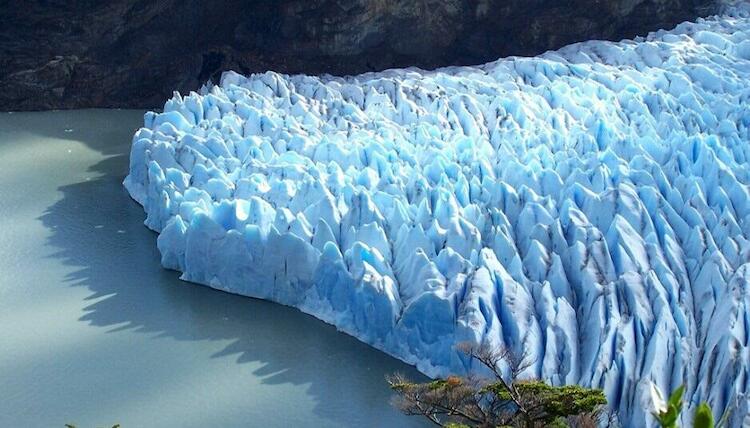
Why is Water at Stake?
More than 70% of the population in Chile relies on water sourced from glaciers in the Andes. In a context of climate crisis, these systems act as a natural water insurance, as warned by Constanza Espinosa, director of the Fundación Glaciares Chilenos. However, mining in high altitudes not only involves mineral extraction, but also the direct intervention of a key ecosystem below the ground that regulates water supply for millions.
The fundamental water value lies in hidden structures like rock glaciers and the periglacial environment. Álvaro Ayala, a glaciologist and researcher at the Center for Advanced Studies in Arid Zones (CEAZA), explained to Mongabay Latam that in northern Chile and the province of San Juan in Argentina, the underground framework functions as a gigantic natural water regulator. «All the rain and meltwater accumulates there and freezes due to the cold climate, later releasing it gradually,» he detailed. Although under normal periods its flow is less than that of surface rivers, its value becomes absolute in times of scarcity.
Marcelo Giraud, an Argentine geographer and member of the Popular Assembly for Water, provided a critical insight: «Several teams of researchers from Argentina and Chile have shown that in the arid Andean regions, during the megadrought recorded since 2010, the strategic reserves that constitute glaciers and the periglacial environment can contribute over 50 percent of river flow, buffering the negative impact of low precipitation.» Both scientists agreed that intervening these water bodies destroys the «savings account» provided by glaciers.
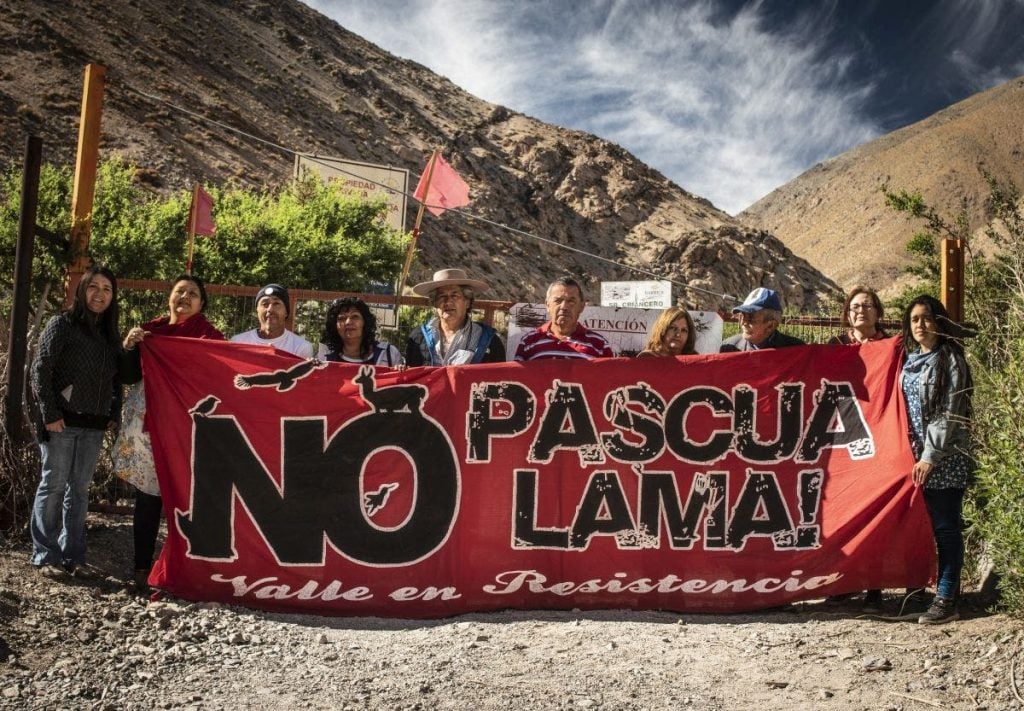
Alert over the Ghost of Pascua Lama
The name Pascua Lama echoes as a ghost in the environmental memory of the region. This binational mega-mining project, launched over two decades ago to exploit gold, silver, and copper on the border between Chile and Argentina, was buried due to a combination of factors: economic unviability, organized social opposition, and primarily, legal restrictions prohibiting interference with glaciers.
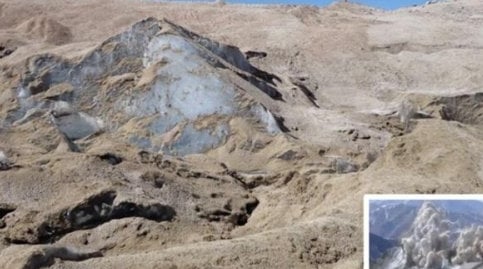
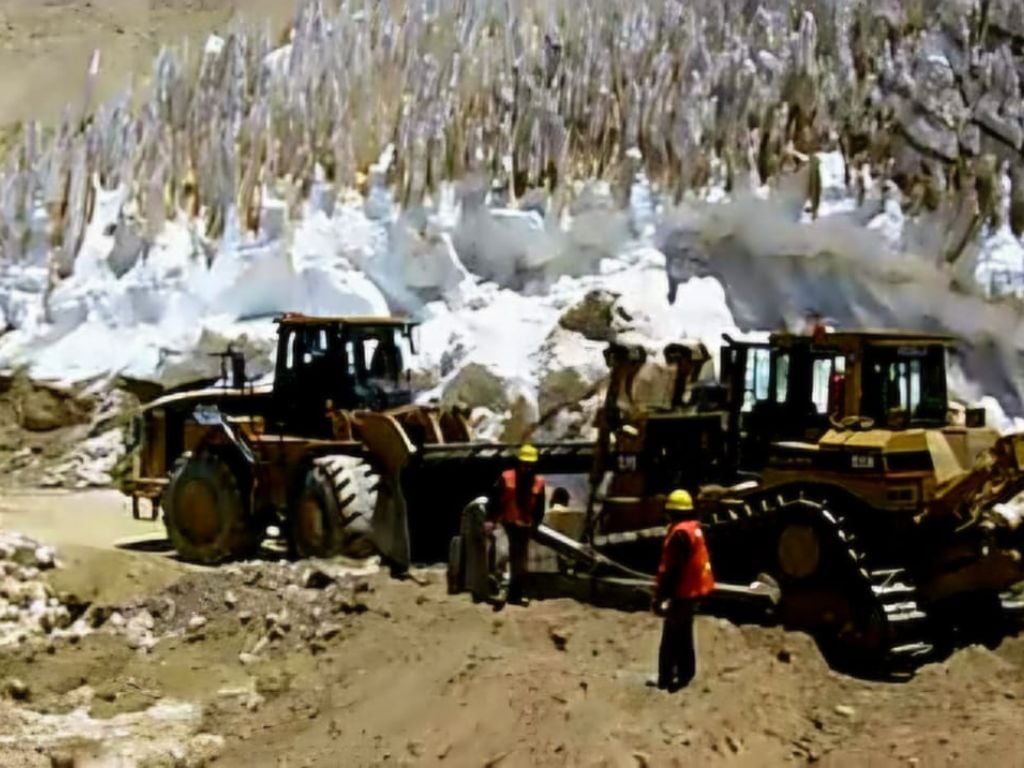
Today, with the reactivation of the 1997 treaty, many fear the same scenario could repeat, but with even looser regulations.
In fact, along the border of the Atacama Region, which adjoins the Argentine province of San Juan, the Vicuña District project, a massive complex of gold and copper projects—including deposits like Josemaría, Filo del Sol, and Los Helados—controlled by the Canadian group Lundin and BHP is unfolding.
This project could position itself as the spearhead of this new phase of mining integration, and according to Giraud, this initiative «falls directly within the polygon to which the treaty applies,» while environmental organizations are already labeling it the «new Pascua Lama.»
The intention to use Chile as a logistical platform poses a direct threat to communities in the Atacama Region with a drastic increase in heavy truck traffic, heavy machinery use, and port infrastructure for the shipment of extracted minerals from Argentina.
The risk is not only environmental but also social, compromising the water security of communities relying on these sources. Excavation removes and exposes minerals-rich rocks that are naturally hidden and isolated under ice. Upon contact with oxygen and water, they produce acid drainage and geochemical processes that contaminate rivers, repeating the technical pattern that buried Pascua Lama.
The threats, as explained by Constanza Espinosa, director of the Fundación Glaciares Chilenos to Mongabay Latam, range from physical soil removal and infrastructure construction—directly affecting glaciers and periglacial environments—to intervention of rocky glaciers, bodies that are often invisible or poorly understood in assessments. Additionally, the intensive use and potential chemical contamination of water along with the impact of suspended particulate matter, which, when deposited on the Andean ice, accelerates its melting process. For the expert, the current climate crisis scenario cannot withstand these additional extractive pressures.
Flavia Liberona, executive director of the Chilean NGO Fundación Terram, warned the cited media that «a treaty signed in the late 90s, with its last modification in 2001, is incongruent with the changes that have occurred in the last 25 years in regulatory matters, as well as in the territory itself.» The bureaucratic and political fragmentation implied by the potential approval of the Glacier Law is particularly concerning. «The recent approval that modified the Glacier Law could activate the intention to develop binational projects using this treaty,» she argued.
Thus, the agreement creates a scenario where the comprehensive control of shared ecosystems dissolves, as environmental assessments are conducted separately and with different standards.
What Projects Could Emerge?
The mining integration treaty opens the door to multiple binational projects, taking advantage of Chile’s experience and infrastructure, especially between the Atacama and Valparaíso regions. The mechanism of Specific Additional Protocols (PAE) allows special norms to be applied so that companies exploit joint deposits and coordinate their logistics without the barriers that operating across two different jurisdictions would involve.
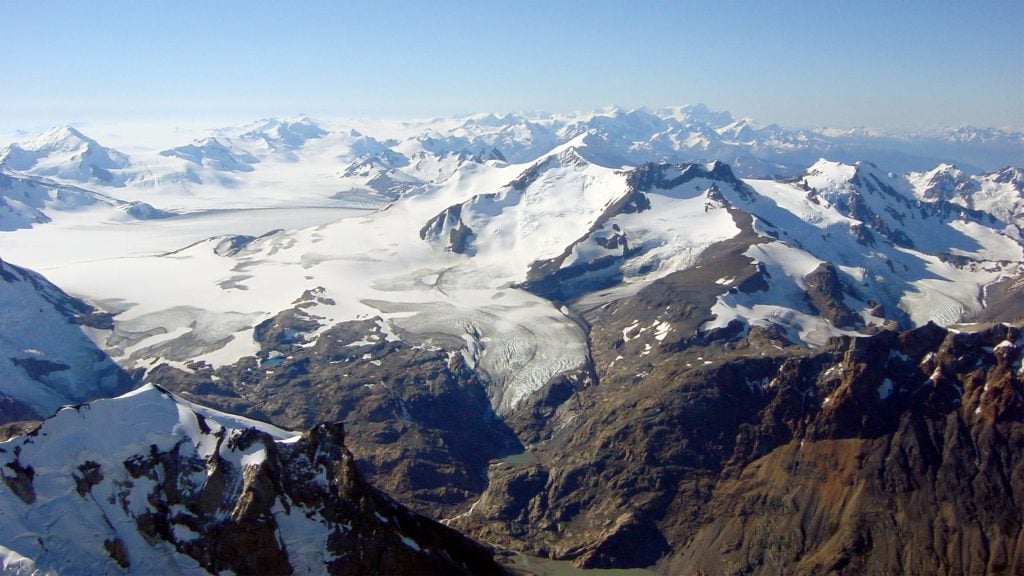
The concession areas concentrate in the highest peaks of the Andes, right where the uncovered, covered, and debris glaciers are found, as well as the periglacial environment. This means that any project promoted under this regulatory framework will inevitably have an impact on these formations that are crucial for the region’s water balance.
Argentine geographer Marcelo Giraud warned Mongabay Latam that mineral veins concentrate precisely in these high mountain areas, making mining projects trapped within the polygon of industrial operation alongside ice bodies and permafrost. The extractive logic, fueled by governments prioritizing investment over environmental regulations, could multiply projects in the Andes.
Government Negotiation Cannot Exclude Communities
Development cannot be built on destroyed glaciers, intervened basins, or silenced communities and the real conflict lies in how decisions affecting strategic water reserves are made: whether they will be agreed upon between governments and companies behind closed doors, or if they will include public information, rigorous scientific assessments, and effective community participation.
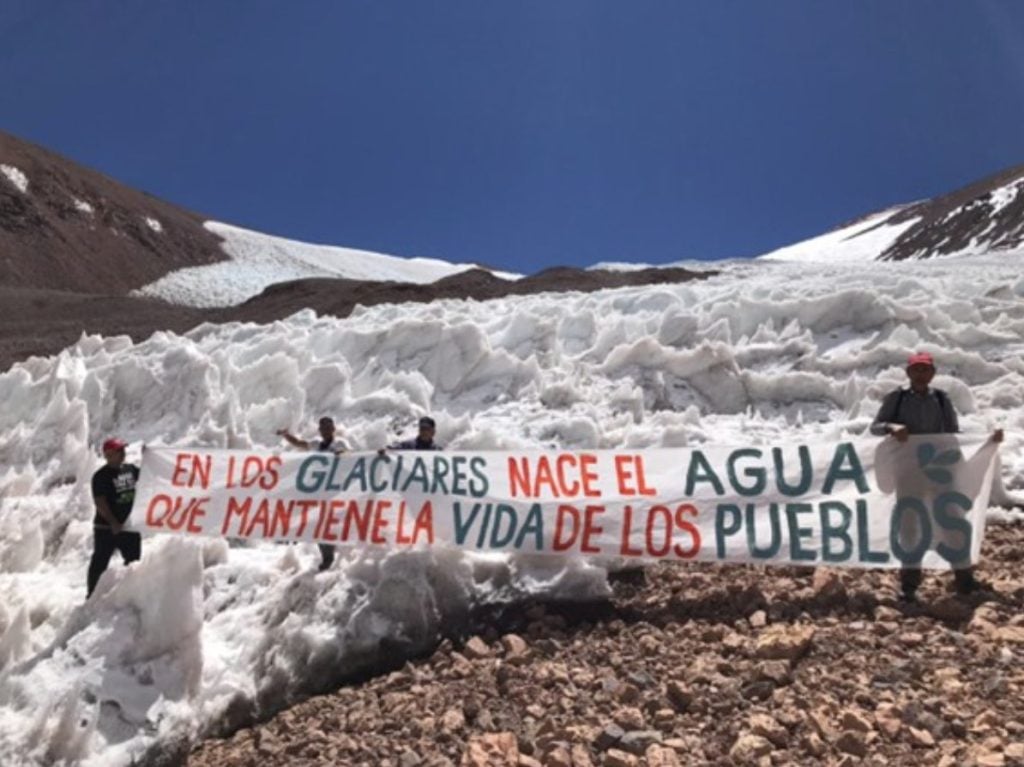
In the opinion of water defender Bárbara Astudillo, the revival of the Mining Integration and Complementation Treaty between Chile and Argentina cannot turn into a negotiation between governments that excludes the communities living in the Andes.

“Transparency, effective citizen participation, and access to information are democratic obligations, not obstacles to investment,” she told El Ciudadano, emphasizing that the Andes cannot be seen as a corridor to accelerate extractive projects; as it is the main strategic reserve of fresh water in the Southern Cone, housing glaciers, unique ecosystems, and supplying water to millions. Therefore, «any decision that compromises these common goods demands the application of the preventive and precautionary principle, along with full respect for environmental and human rights standards.”
“The signals from Javier Milei’s government, oriented towards deregulating environmental protection and prioritizing the intensive exploitation of natural resources, raise concern for the entire region. If this logic resonates in Chile with proposals from José Antonio Kast aimed at reducing environmental regulations and speeding up permits without strengthening citizen guarantees, the risk is to consolidate a model where nature and communities end up paying the cost of economic growth,” she warned.
«The Andes Are Not a Sacrifice Zone»
She stated that the revival of the treaty by both administrations demands maximum transparency, effective citizen participation, and guarantees, as outlined in the Escazú Agreement, which guarantees access to environmental information, public participation, and justice in environmental matters.
“The Andes are not a sacrifice zone: they are a strategic reserve of water, biodiversity, and life for millions of people. The Escazú Agreement offers a different path: more environmental democracy, access to information, impactful participation, and protection for those defending nature; weakening these standards to facilitate cross-border projects would be a severe setback for both countries,” she asserted to El Ciudadano.
“Today, we do not need a mountain range open to environmental impunity; we need a mountain range protected by law, science, and territorial participation. Development cannot be built on destroyed glaciers, intervened basins, or silenced communities. Defending the Andes is defending water security, environmental sovereignty, and the future of Chile and Argentina,” she emphasized.
In Argentina, the situation is alarming, with Itatí Brida, a human rights and environmental activist, denouncing that while Javier Milei’s government deepens adjustments and benefits for large companies, communities are alerting to the destruction of ecosystems.
“Those of us defending common goods see how the same script repeats itself: progress, sustainability, and growth as excuses for exploitation (…). The mining alliance that is sought with Chile is neither a technical nor neutral agreement: it is a recharged counter-offensive against the communities that are on the front lines of defense of the territories,” she affirmed.
She argued that under ultra-neoliberal governments like those of Javier Milei and José Antonio Kast, large corporations are the real power holders.
“They place capital and their interests above collective interests, and find in complicit states an entire institutional organization at the service of those ends, far from the citizens’ needs,” she emphasized.
“In practice, what they do is simplify regional economies, reducing them to their primary extraction. This means that many other industries are harmed. For example, the closure of thousands of SMEs—which is already happening under Milei’s government—has a direct connection to the fact that large miners have open doors and millions in tax benefits, which no local entrepreneur, let alone ordinary citizens, can enjoy. Meanwhile, our taxes, rents, and daily purchases keep rising,” she explained.
She pointed out that the case of Mendoza is paradigmatic. This province, which is currently seeking to ally with Chile to transform the interoceanic connection route into an extraction corridor, already has over 41 people criminalized for defending water. “Its public buildings have been used as detention centers and are known for repressing peaceful water protests,”
Brida denounced. Furthermore, her deputy governor earned the title of «persona non grata» in France and in the mountainous town of Uspallata, due to her negligent statements and accusations against entire communities that have been peacefully fighting for rivers and glaciers for over 18 years.
“Defending Water is Defending the Future of Our Territories”
The environmental defender also warned about a key fact for Chile: according to the World Resources Institute (WRI) backed by the United Nations, it will be the first country in South America to run out of water in 14 years.
“This path of resource exploitation, which Chile began long before Argentina, is already showing its consequences. We can anticipate them if we continue down this path,” she cautioned while stating that the strategy between both countries must align with the conservation of common goods. “Protecting glaciers is not an environmentalist whim, but a necessity for regional economies and for the industries that generate more jobs than mining,” she said.
“The liberation routes used by our founding fathers cannot become looting routes that feed 21st-century imperialism and colonialism. Our territories require sovereignty, not principles of national security dictated by foreign countries. What happens on our soils must be subject to transparent citizen participation, with full guarantees of human rights: freedom of expression, social protest, and true environmental democracy. This involves prior, free, and informed consultation with indigenous peoples, and companies fulfilling their due diligence in social and environmental matters,” she asserted.
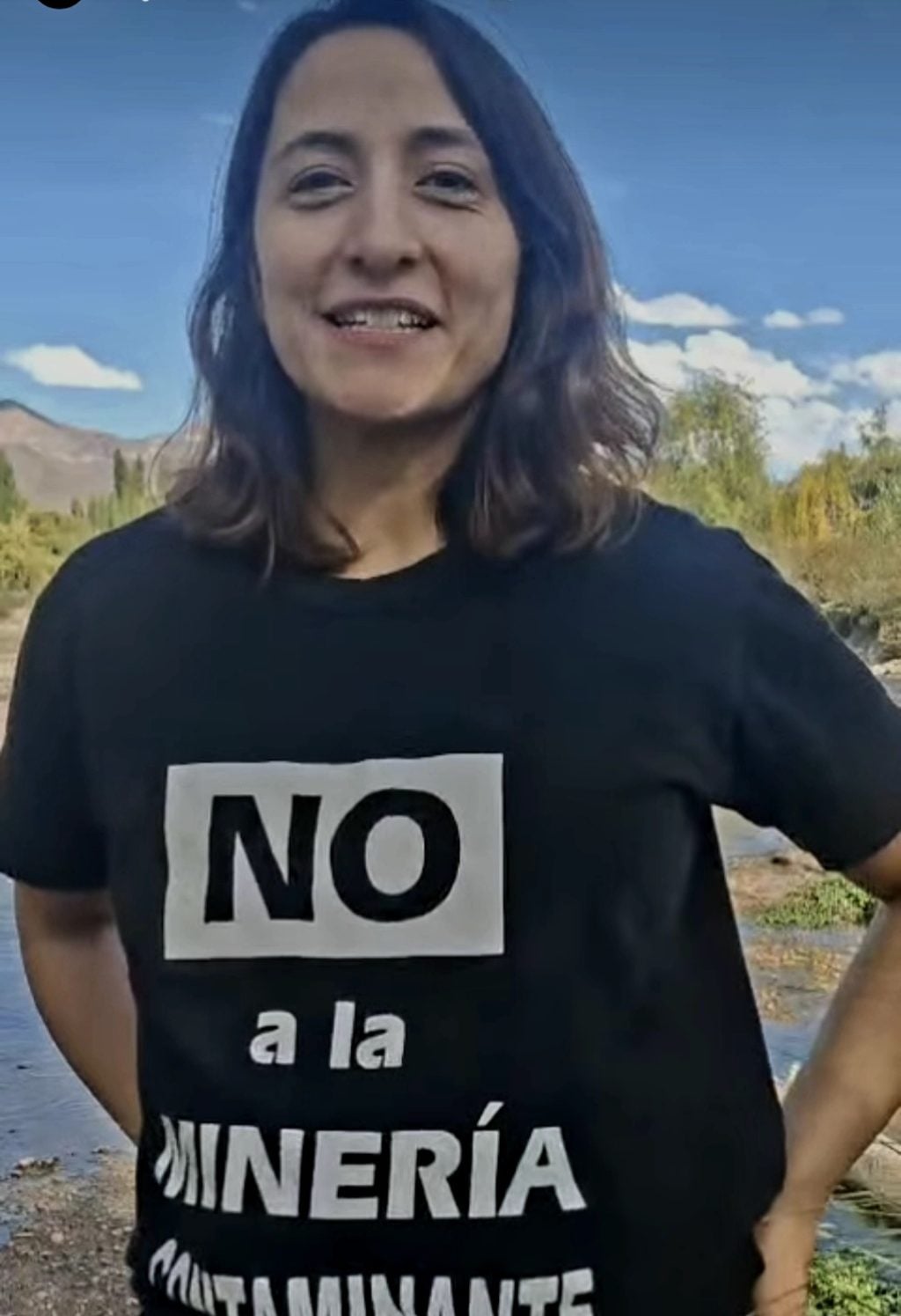
For Brida, “defending water is defending the future of our territories” and she recalled that “history teaches us that where there is water and minerals, there are often conflicts. But it also teaches us that organized communities can halt the plundering.”
“The question is whether Chile and Argentina will learn in time, or if they will repeat the mistakes that already condemn other regions of the world,» she concluded.
*Featured image: Revistadigital.Culturademontania.org.
La entrada Is the Pascua Lama Ghost Returning? Kast and Milei Revive Mining Treaty, Raising Glacier Concerns se publicó primero en El Ciudadano.
🔥 Ver noticia completa en ElCiudadano.cl 🔥