El Ciudadano
Original article: Se mueve la causa de la revuelta: Chadwick, Rozas, Yáñez y Araya declaran por lesa humanidad
More than six years after the October 2019 uprising, the judicial machinery continues to function. The investigation into possible human rights violations has gained momentum, with a series of actions led by Antofagasta regional prosecutor Juan Castro Bekios, including the decision to interrogate high-ranking officials from Carabineros and former Interior Minister Andrés Chadwick.
In recent months, there had been little public progress regarding the investigations, with only the defense’s complaints from the former secretary of state resurfacing concerning the longevity of a case extending over five years. However, on Thursday, March 12, that apparent calm was shattered. According to information gathered by La Tercera, Bekios instructed prosecutor Cristián Aguilar to travel to the Metropolitan Region with a clear goal: to take statements from some key figures who held high-responsibility positions during the social and political crisis.
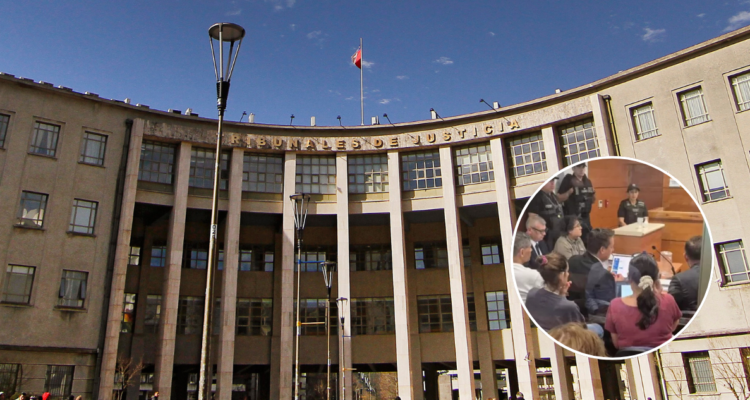
In the National Prosecutor’s Office, and during a session that lasted several hours, a series of interrogations were conducted aimed at establishing whether there was a systematic pattern of illegal coercion by state agents during the protests, as reported by the cited outlet.
The round of testimonies included current Carabineros General Director Marcelo Araya, who in 2019 served as the chief of the Araucanía Public Order Control Zone and was later appointed to head the Metropolitan Zone.
Also participating in the interrogations was Mario Rozas, who served as Carabineros general director during the social uprising. His leadership has been one of the most controversial aspects of the investigation, given that he holds final responsibility for the orders issued by senior management to contain the massive protests, which often led to serious allegations of fundamental rights violations.
Additionally, Ricardo Yáñez, the former general director who was the National Director of Order and Security during the investigated period, was included. His testimony before prosecutor Aguilar is crucial for determining the level of knowledge and control exercised from that direction over police actions on the ground, particularly regarding crowd control procedures and the chain of command.
However, the name carrying the most political weight in this new wave of actions is that of Andrés Chadwick, former Interior Minister and cousin of the then President Sebastián Piñera. His inclusion in this round of statements is significant, considering he was the highest political authority in managing public order during the early months of the social uprising.
His testimony, also gathered at the National Prosecutor’s Office, is part of the prosecution’s need to clarify whether there was any guidance or directive from political power that could have fostered the systematic allegations of human rights violations, including homicides, torture, sexual assault, kidnappings, and arbitrary detentions.
Chadwick’s presence at the National Prosecutor’s Office confirms that the investigation aims not only at the institutional chain of command of Carabineros but also at the decisions made from La Moneda.
Systematic or Isolated Incidents
The core of the investigation led by the Antofagasta Prosecutor’s Office seeks to determine whether the recorded human rights violations during the period from October 2019 to March 2020 were part of an institutional policy or a lack of hierarchical control that allowed for the recurring abusive behaviors of uniformed personnel who violently suppressed citizens expressing social demands.
In this context, the statements from Chadwick, Araya, Rozas, and Yáñez are critical in determining whether the attacks were part of a generalized or systematic action against the civilian population. The renewed activity in the investigation of the uprising indicates that the judicial chapter of October 18 is far from being completely written, especially as the government of José Antonio Kast has announced its evaluation of applying pardons for personnel convicted of human rights violations during the social unrest.
La entrada Key Figures Face Questions as Investigation into Human Rights Violations from October 2019 Uprising Reopens se publicó primero en El Ciudadano.
🔥 Ver noticia completa en ElCiudadano.cl 🔥