El Ciudadano
Original article: Sudán, la guerra olvidada del 2025: entre la geopolítica del oro – petróleo y la catástrofe humanitaria
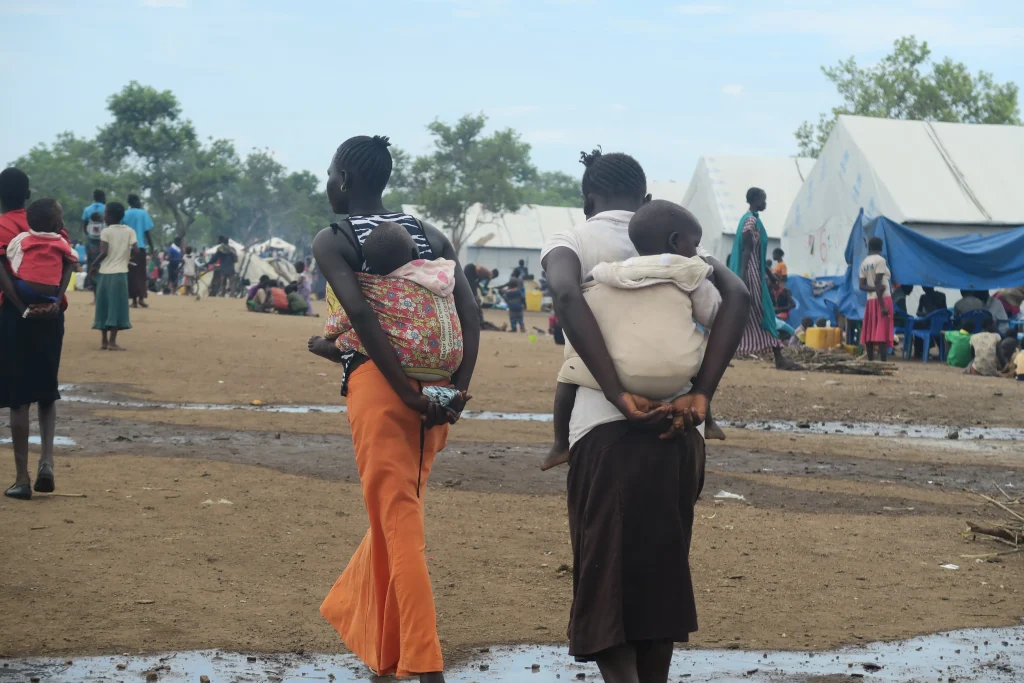
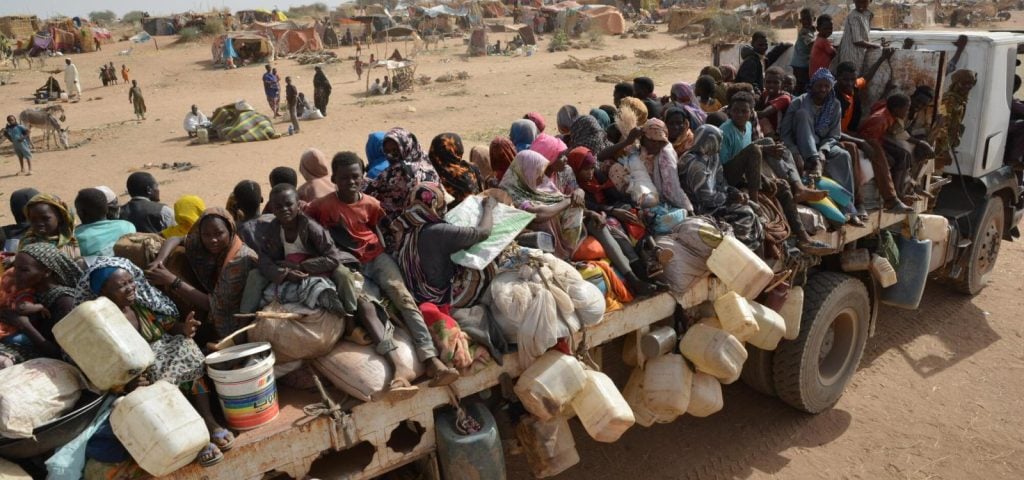
As global attention shifts to other regions of conflict, Sudan is experiencing one of the worst humanitarian crises of the 21st century. Since April 15, 2023, a brutal war between the Sudanese Armed Forces (SAF), led by General Abdel Fattah al-Burhan, and the Rapid Support Forces (RSF), a paramilitary militia commanded by General Mohamed Hamdan Dagalo «Hemeti,» has plunged the country into chaos. The grim toll includes over 120,000 deaths, 8 million displaced individuals, and 25 million people in urgent need of humanitarian assistance, a result of a conflict that is not spontaneous but rather a violent eruption of decades of power accumulation, inequality, and greed for resources.
El Ciudadano
Deep Roots: A State Built on Exclusion
To understand this war, we must look back beyond 2023, even further than the dictatorship of Omar al-Bashir (1989-2019). Its roots lie in:
- The British-Egyptian colonial legacy: The colonial administration fostered uneven development between the Arab-Muslim north and the predominantly African (often non-Muslim) south, center, and west, governing through a «divide and conquer» strategy that exacerbated ethnic and religious identities.
- Incomplete independence (1956): The new state inherited these deep divisions, triggering two long North-South civil wars (1955-1972 and 1983-2005), culminating in the secession of South Sudan in 2011.
- The al-Bashir regime and the war economy: To maintain power, al-Bashir created and funded ethnic militias (the Janjaweed) to suppress rebellions, such as the one in Darfur (2003). These militias, later institutionalized as the RSF, operated with total impunity. The economy became structured around the looting of resources (oil, gold) by a small military and business elite, marginalizing the rest of the country.
The Immediate Cause: The Struggle for Power and Economic Control
After al-Bashir’s downfall in 2019, a fragile alliance between the SAF and the RSF governed temporarily. The spark that ignited the conflict was the dispute over the integration of the RSF (about 100,000 men) into the regular army, a crucial process for transitioning to a civilian government. This technical-military disagreement is, in fact, the tip of the iceberg of a battle for:
- Control of the state and its economic apparatus.
- Monopoly over networks of extraction and trade of natural resources.
- Regional and international influence.
Natural Resources in Dispute: Fuel for War
While Sudan is poor in human development, it is immensely rich in natural resources. Control over these is the main prize of this conflict:
- Gold: It is the most critical resource in the current war. Sudan is the third-largest gold producer in Africa. The RSF have long controlled most of the gold mines in Darfur and Kordofan, managing an illegal export network to the United Arab Emirates (UAE) and other countries. This gold finances their weapons, salaries, and loyalties. The army (SAF) also has its own concessions and attempts to control this flow.
- Oil: Although 75% of the reserves remain with South Sudan, the pipelines transporting it to the Red Sea cross Sudan, generating crucial transit fees. Both factions seek to control this infrastructure and its associated revenue.
- Agricultural Land and Water: The Nile and its tributaries, along with vast stretches of fertile land (especially in the Al Jazira belt), are vital. The RSF, originating from Darfur, have a historical interest in expanding their control into these resource-rich areas, which fuels conflicts with farming communities.
- Maritime Route and Ports: Controlling Port Sudan on the Red Sea is strategic for anyone seeking to govern the country, serving as the main gateway for trade and aid.
Competing Nations and Interests: The Geopolitical Landscape
The war in Sudan is a proxy war where regional and global actors support one side or the other to defend their interests:
- Supporting the RSF (Hemeti):
- United Arab Emirates (UAE): The main external supporter. Provides weapons, funding, and political cover. Their motives include access to gold and agricultural land, containing Islamist influence (historically associated with the SAF), and projecting power in the Horn of Africa.
- Saudi Arabia: Maintains a complex relationship. Although historically close to al-Burhan, there are indications that factions within the kingdom view Hemeti favorably for his ability to provide mercenaries (the RSF have fought in Yemen alongside Saudi forces).
- Russia: Through the Wagner Group (now likely restructured), has close ties with the RSF, in exchange for mining concessions (gold).
- Supporting the Army (SAF/Al-Burhan):
- Egypt: Its traditional ally. Sees the Sudanese army as a bulwark against instability on its southern border and a guarantor of its interests in the Nile waters. Provides military and diplomatic support.
- Islamist actors: Networks of former officials from the al-Bashir regime, both inside and outside Sudan, have regrouped and support the SAF as a lesser evil compared to the RSF.
- Other actors:
- South Sudan, Chad, Ethiopia, Central African Republic: Neighboring countries directly affected by the flow of refugees and instability. Their ethnic and loyalty lines intersect with those of Sudan, complicating the picture.
- United States and the West: Their influence is limited. They have imposed sanctions on both sides and seek a negotiated solution but lack real power on the ground.
A Human Rights Crisis with Names and Faces
This is not just a war between generals. It is a war against the civilian population. Both sides have committed war crimes and possibly crimes against humanity: systematic sexual violence, extrajudicial killings, torture, destruction of hospitals, and blocking humanitarian aid. The recruitment of children and ethnic cleansing, especially in Darfur (where the RSF target Masalit and non-Arab communities), echoes the horrors of two decades ago.
The dispute over gold, oil, and land is not a secondary cause; it is the engine prolonging suffering and financing bullets. The international community, distracted and complicit due to its ties with regional actors, has failed to protect the Sudanese people. As powers continue to see Sudan as a geopolitical resource board, the machinery of death will keep operating, and the dream of a democratic and peaceful Sudan, born from the 2019 revolution, fades into the smoke of battles fueled by human greed for the natural resources of nations.
El Ciudadano
La entrada Sudan: The Overlooked War of 2025 Amid Gold, Oil Geopolitics, and Humanitarian Crisis se publicó primero en El Ciudadano.
🔥 Ver noticia completa en ElCiudadano.cl 🔥