
El Ciudadano
Original article: El colapso ya llegó: Mientras gobiernos hablan de «seguridad» y de IA, el planeta se vuelve inhabitable
By Leopoldo Lavín Mujica
The Mediterranean is ablaze, European rivers are at alarmingly low levels, and heatwaves are taking lives that rarely make headlines as victims of climate change.
In Europe alone, four consecutive heatwaves this summer are estimated to have caused at least 35,000 excess deaths, according to preliminary figures. Meanwhile, over 627,000 hectares have burned in the European Union as of August 25. Additionally, an unusual series of earthquakes is causing uncertainty.
How many disasters do we need to admit that we are not witnessing isolated incidents?
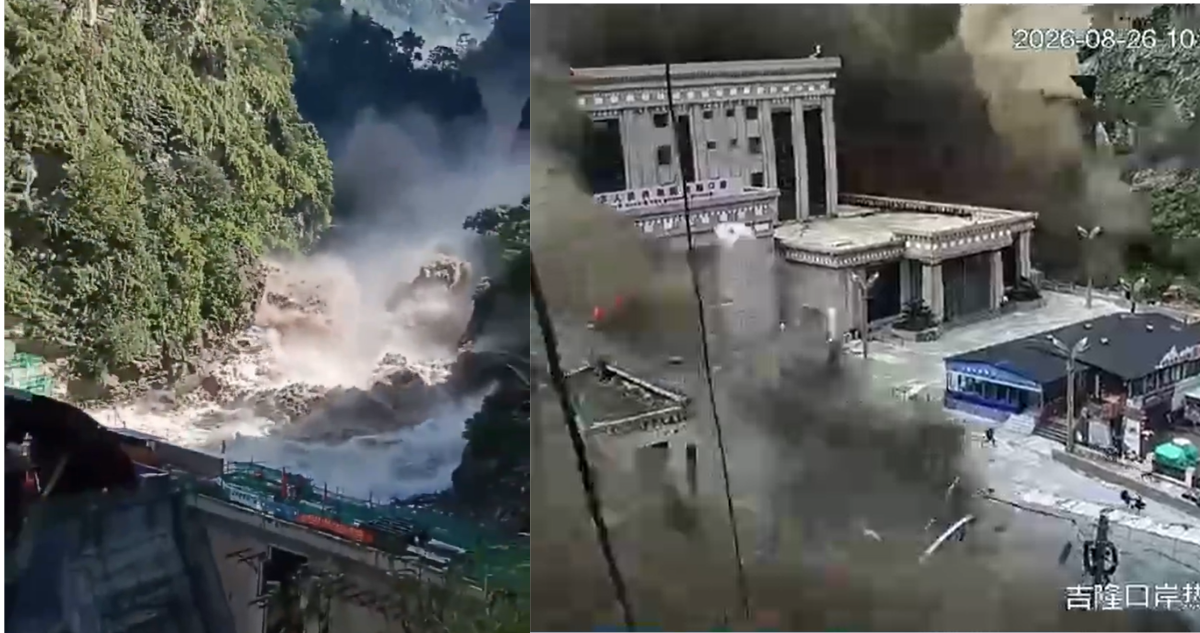
The Himalayas have delivered a brutal image of this new reality. The collapse of a glacier at the border between Nepal and Tibet triggered an avalanche of water, mud, and rocks that obliterated entire villages.
As of Thursday, August 27, the reported toll has reached at least 180 dead and over 1,300 missing, though updates could significantly raise the death count as rescue operations continue.
The US Geological Survey determined that the phenomenon was caused by the glacier collapse and debris flow, not by a conventional earthquake.
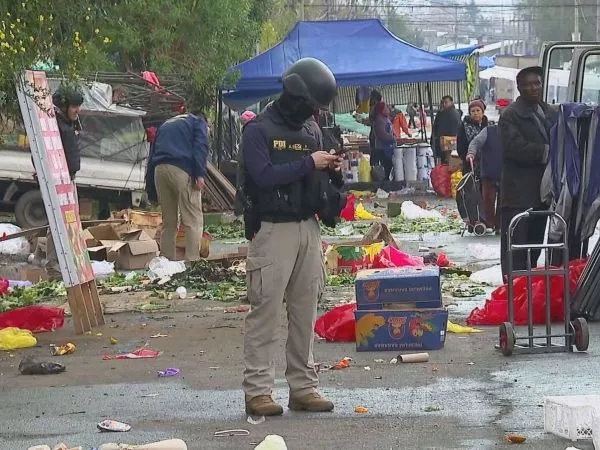
Chile is also caught up in this new catastrophe landscape. In August, rains linked to an atmospheric river caused flooding, triggered avalanche flows, and mudslides from the north to the central-southern region; Senapred reported over a thousand displaced individuals, 580 affected, and one fatality in Arica and Parinacota and Coquimbo.
The issue is not just the intensity of each event: our cities, roads, homes, water systems, and territories were designed for a climate that no longer exists. This is where political responsibility emerges.
States continue to react after disasters, sending machinery, evacuating populations, and counting casualties when they should be anticipating these events.
Chile is not devoid of environmental proposals: Kast’s program contains commitments on energy, water, forests, and adaptation, and a report from UC outlines 55 environmental commitments for 2026-2030.
Yet therein lies the criticism: in the midst of an ecological crisis, climate issues do not occupy the central place in the country’s political, economic, and budgetary agenda.
The far-right poses an even greater risk when it turns environmental protection into a supposed hindrance to capitalist growth, prioritizing deregulation, resource exploitation, and rapid investments. Meanwhile, it makes hollow claims about security and uses it for projects that curtail freedom.
The problem is not solely with Kast’s government: it is a political conception that subordinates ecological survival to immediate profit. However, the left and progressive governments cannot evade their responsibility: for years, they managed the emergency without transforming the economy, transportation, cities, water systems, and territory.
The spectacle of ecological catastrophe is grotesque. While governments, corporations, and media celebrate each leap in artificial intelligence, millions face extreme heat, wildfires, droughts, floods, and displacement. We debate who will dominate the algorithms while the planet loses the material conditions necessary for a dignified life.
Thus, we must abandon the comforting notion that collapse is imminent: collapse is already here.
Citizen impotence cannot transform into resignation; it must become a democratic demand. Governments must treat the climate emergency as a human security issue: prevention, resilient infrastructure, water and glacier protection, territorial planning, energy transition, secure housing, and significant resources for adaptation.
Because when states continue to govern as if the old climate still exists, negligence ceases to be an error: it becomes a form of political irresponsibility.
Leopoldo Lavín Mujica
La entrada The Collapse Is Here: While Governments Focus on ‘Security’ and AI, Earth Becomes Uninhabitable se publicó primero en El Ciudadano.
🔥 Ver noticia completa en ElCiudadano.cl 🔥