El Ciudadano
Original article: Colegio de Maipú apela condena por bullying y busca evitar pago de más de $55 millones a estudiante y su madre
The court found that Colegio Santa María de Maipú failed to implement its protocols properly in response to multiple reports of bullying. The affected student was forced to transfer to another school while the institution filed an appeal against the ruling.
The Seventeenth Civil Court of Santiago held the Fundación Educacional Quitalmahue accountable for acting negligently regarding a bullying case involving a primary school student at the institution.
Judge Rocío Pérez Gamboa ruled that the school must pay a total compensation exceeding $55 million, including $45,651,947 for the damages suffered by the student, and an additional $10 million for his mother for emotional distress experienced during the ordeal.
The court determined that the school failed to meet its obligations as per the educational services contract and did not adequately implement the school coexistence protocol in response to the bullying reports.
It is important to note that the ruling indicated the school had an existing protocol and a sanctions catalog to address bullying cases, yet these measures were not executed appropriately.
Following the ruling, the school filed an appeal aiming to overturn the decision and completely dismiss the claim, including the compensation payments and legal costs. According to the family’s lawyer, this decision has resulted in a prolonged legal process, imposing further strain on the victims.

“Protocols Not Implemented”
As previously mentioned, the court concluded that the school failed to meet its obligations regarding student coexistence by not properly applying the established protocols and sanctions designed to address bullying allegations.
“Indeed, the protocol does address due process and a proportional sanctions catalog for managing such events; however, the school did not implement them, or they were poorly applied, and there is no complete record of the process followed, rendering the defense put forth by the respondent inadequate to prove due diligence on the part of the institution,” the ruling stated.
Additionally, the administrative investigation by the Superintendence of Education concluded that the institution did not adequately adhere to its internal protocol for these cases. The ruling indicated that the perpetrators were identified, yet no effective corrective measures were taken.
“[…] and the series of incidents occurring within the establishment resulted in not only physical harm […] that were not adequately addressed by the educational institution while the adolescent remained enrolled, causing detriment to the individual’s personal integrity […] without the authorities at the institution taking corrective measures against the identified aggressors,” the document states.
In this context, the court determined that the measures undertaken by the institution were insufficient to stop the bullying, despite prior allegations and the identification of those responsible.
Impact on the Student
A key aspect of the case was the court’s consideration of the medical and psychological records of the student, which included clinical and rehabilitative treatments for physical injuries, as well as mental health support due to depression and emotional challenges stemming from the bullying.
The ruling also noted that the young boy lost interest in socializing with his peers and developing relationships, negatively impacting his self-confidence during a crucial period of personal growth.
“In the adolescent’s case (…), it is essential to understand that the events occurred during a stage of his life in which he is building his identity, exploring social networks and interpersonal relationships, where situations such as those experienced with classmates—where he was a victim of bullying—can affect his perception and self-esteem, as indeed occurred, as confirmed by his treating psychologist, as discussed in previous sections.”
Moreover, the ruling stipulates that the student’s situation became so dire that he ultimately left the educational institution to escape the hostilities. This point also highlighted that, despite the aggressors being identified, it was the victim who had to leave the school.
“Considering the physical harm endured, the length of rehabilitative treatment he underwent, the need for mental health support, his age, the stress on his academic prospects in secondary education, and the fact that the victim—and not the aggressors—was forced to leave the educational institution to stop the hostilities he was subjected to,” the ruling states.
The Mother’s Strain
The judge also acknowledged the emotional distress suffered by the young man’s mother, elaborating on the significant impact she encountered while trying to protect her child from bullying.
“(…) the mother, in her role as guardian, not only experienced exhaustion from family support and attending therapies, but also performed extensive advocacy and determined defense of her child’s rights, attending the educational institution, filing and pursuing complaints with the school authorities, submitting a protection request to the Santiago Court of Appeals, raising concerns among the class parents, and engaging with the sectorial Education Authority, which resulted in the administrative sanction imposed—all of which naturally subjected her to emotional fatigue.”
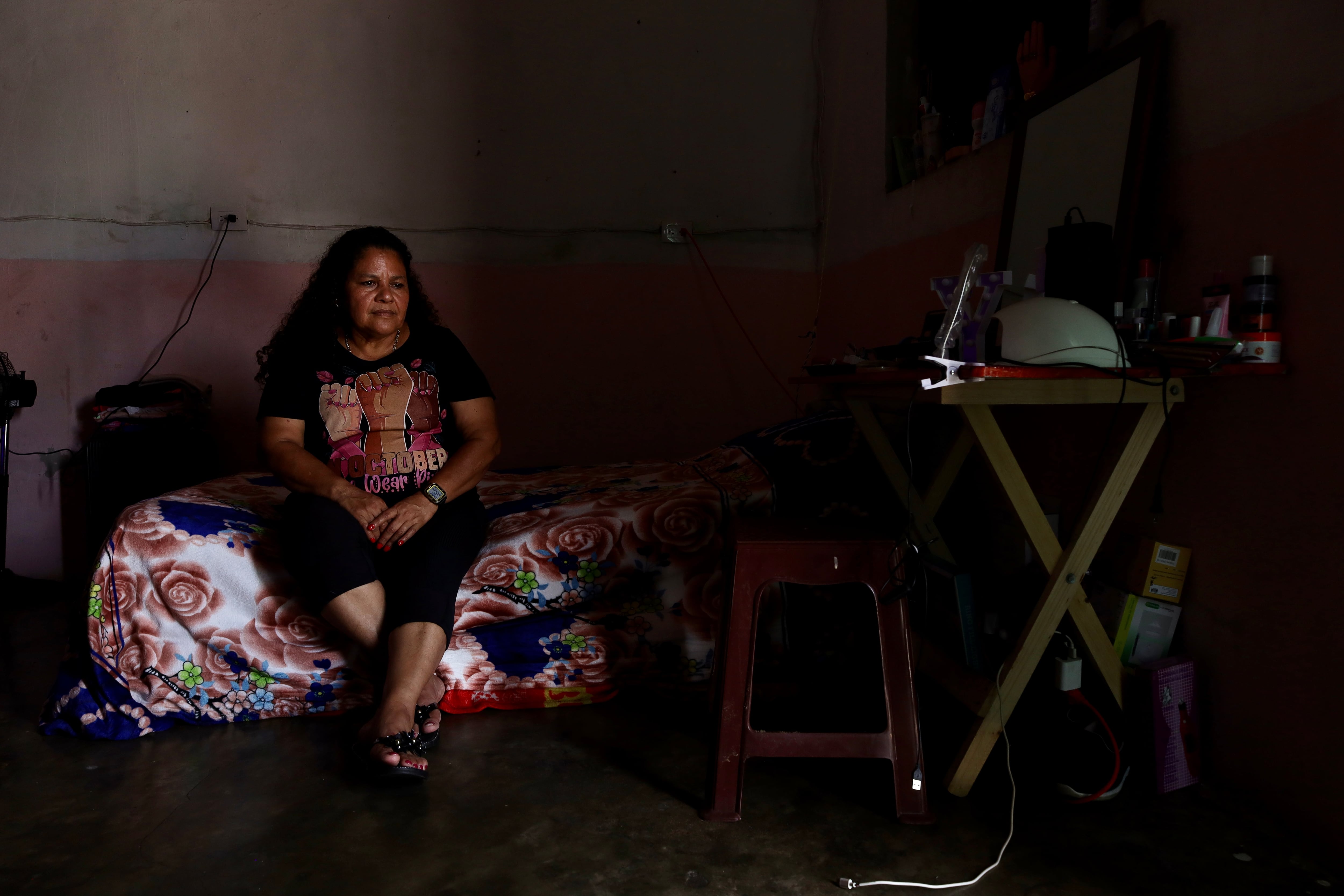
In an interview with El Ciudadano, the affected boy’s mother, who prefers to remain anonymous, stated that from the outset, the school attempted to downplay the situation, repeatedly claiming it was just a school accident while hastily closing the academic year for her son.
Additionally, she criticized that while she had to focus entirely on her son’s physical and emotional recovery, the aggressor student received only a one-day suspension from classes.
The mother described how, when her son returned to school in 2024, the bullying no longer came from a single peer, but rather a group of classmates, leading to further incidents of physical abuse on multiple occasions.
“I went many times to complain and document what my son was experiencing, asking for help from the school, but always got the same response: these are just child issues, and perhaps my son is exaggerating.”
The cycle of complaints, meetings, and dealings continued until a final aggression occurred, after which the student no longer returned to the school. His mother stated that the process was lengthy and exhausting, particularly due to the emotional degradation her son experienced, who ultimately had to undergo psychological and occupational therapy.
The mother maintains that such behavioral problems among students occur at the school periodically, and the outcome is almost always the same: the victim leaves the school while the aggressors continue with their lessons as usual.
To her, the institution views students merely as numbers, lacking genuine concern for their well-being. She also claimed the school tries to conceal instances of such events from happening.
“‘This happens in all schools,’ is the phrase I’ve heard the most during this time; it cannot be normal for our children to be educated in fear of not being accepted, discriminated against, or being the subject of mockery and mistreatment, while the institution where they are educated and spend most of their time allows these behaviors and fails to protect them,” the victim’s mother concluded.

The School’s Appeal
Following the ruling, Fundación Educacional Quitalmahue filed an appeal with the Santiago Court of Appeals, seeking to overturn the decision outright. According to the family’s attorney, Sebastián Retamal, while requesting a complete dismissal of the claim, the institution also sought for the costs of the trial to be borne by the plaintiffs.
“Alongside attorney Sonali Julio Bunster, with whom I’m working on this case, we anticipated that they would appeal, but we thought the appeal would be more focused on challenging the amount of compensation and seeking a reduction of it, not that they would request a complete dismissal of the financial recompense, and even request that the costs of the trial be borne by the victimized family.”
The attorney stated that while the appeal constitutes a legitimate procedural right, the move is difficult to understand considering that the judgment substantiated the facts and assigned responsibility to the institution.
“For the family, this means having to face a painful process, prolonging the emotional exposure they have endured for years, when what would be expected from a serious educational institution is to move toward reparations rather than deepening the conflict, especially when the school has prior records of similar cases, even other civil sentences for similar actions,” he remarked.
A Recurring Issue
This case is not the first legal conflict faced by the institution regarding incidents of bullying. In 2012, the Ninth Civil Court of Santiago ordered the same school to pay $20 million to the family of a student who endured bullying for four years.
At that time, the court also determined that the institution failed to take sufficient measures to protect the student despite reports of physical and psychological aggression.
“The particularly troubling aspect of this case is that, as established by the court, there were prior cases that allowed for concrete protective measures to be taken regarding the affected student. When an institution is aware of such a situation and still fails to implement adequate or effective measures, the issue extends beyond mere protocol existence to the actual capacity of the institution to adequately safeguard its students,” Retamal stated.
The attorney further noted that while this case pertains to specific facts confirmed by the court, the repeated questions regarding the handling of school coexistence conflicts highlight the need to strengthen the prevention and response mechanisms at these institutions.
He also cautioned that insisting on denying all responsibility following a favorable ruling for the family could hinder the reparative processes and have additional implications for the victims.
“This is why the ruling is significant: because it reminds us that in contexts of bullying, merely fulfilling administrative formalities is insufficient. Protocols must translate into timely, effective, and proportionate actions to the extent of the harm presented by the student. When this does not occur, the consequences for a child, adolescent, and their family can be profoundly damaging,” he concluded.
La entrada Maipú School Challenges Ruling on Bullying Case, Seeks to Avoid Payment of Over $55 Million to Affected Student and Mother se publicó primero en El Ciudadano.
🔥 Ver noticia completa en ElCiudadano.cl 🔥