El Ciudadano
Original article: Sarampión: ¿Una amenaza que vuelve a tocar la puerta de Chile?
Although Chile has eliminated measles as an endemic disease since the 1990s, rising cases in Latin America and confirmed imported infections in 2026 have raised health alerts.
International organizations such as the Pan American Health Organization (PAHO) have warned that declining vaccination rates in various countries across the Americas have increased the risk of importation and transmission of the virus, particularly following the drop in immunization rates recorded after the pandemic.
In response, the Ministry of Health in Chile has strengthened epidemiological surveillance and issued calls to complete vaccination schedules, especially for children and travelers.
Alexandra Willeke, director of the Nursing School at the University of La Serena and an immunization specialist, explained that measles «is a highly infectious disease» currently experiencing a global outbreak, «and Chile is affected by imported cases of measles, which has been eradicated in our country since 1993.»
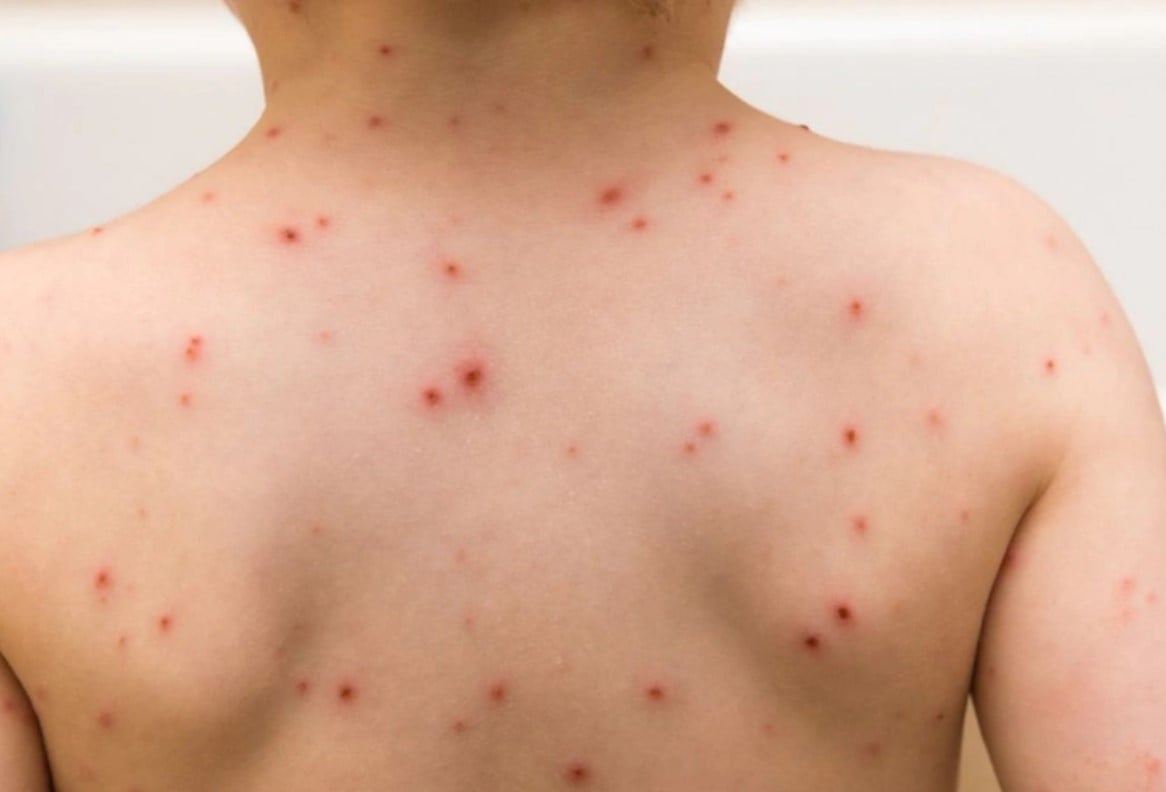
«Transmission occurs through droplets, coughing, and saliva, meaning it spreads via the respiratory tract. Symptoms start with a runny nose, fever, and white spots inside the mouth, followed by widespread red spots on the body. If a person is unvaccinated, they can develop severe complications such as encephalitis, which can even lead to death,» the expert warned.
The academic also emphasized that this is a vaccine-preventable disease, reminding that in Chile «there is a privileged vaccination system, supported by law, mandatory and free, integrated into the National Immunization Program. The measles, rubella, and mumps vaccine is administered at 12 and 36 months of age.»
However, Willeke cautioned that widespread protection requires «over 95% coverage of the population. The only way to prevent a person from getting measles is through vaccination, and fortunately, Chile is characterized by having a high coverage in its vaccination program.»
Another challenge concerning both specialists and health authorities is the early detection of measles, as its initial symptoms can easily be confused with other respiratory or viral diseases.
When asked about the main symptoms indicating an actual case of measles, Fabián Ritz, a general physician in the Student Health Department at the University of La Serena, detailed that measles «can cause cough, nasal congestion, fever, and general malaise, but it is distinguished by generating red spots on the skin that typically start on the head and spread to the rest of the body, although it is not the only infection that causes this combination of symptoms.»
Delving further into this, the specialist asserted that «despite measles having a characteristic pattern of spots, it can be challenging to differentiate for an untrained eye, particularly considering that the disease was eradicated in Chile over 30 years ago and much of the health personnel have limited experience with real cases, which can delay diagnosis.»
In support of this, Ritz stated that a distinctive element of measles is the appearance of white spots inside the cheeks, «known as Koplik spots, but they are short-lived, so their absence does not rule out the disease.»
Regarding the degree of measles spread, Dr. Ritz noted that while the virus does not persist indefinitely in the environment, it transmits through the air over short distances. It is estimated that 90% of individuals who come into contact with the virus will become infected if they lack immunity.
Additionally, he explained that the contagious period can begin up to 5 days before the appearance of skin spots when symptoms are primarily respiratory, which, along with its high transmissibility, complicates containing the disease solely by isolating individuals with obvious symptoms.
International Increase
On the global increase of the disease, the doctor from the University of La Serena indicated that the main factor associated with measles outbreaks is insufficient vaccination, which should exceed 95%.
«For example, the current outbreak in Peru has a significant focus in the Puno region, where coverage hovers around 70%. In our country, the vaccination rate against measles is declining. By 2025, it’s estimated that about 95% of one-year-old children will have received the first vaccine, and 78% will have the booster dose by three years,» warned the physician.
Regarding how this situation could affect our country, Dr. Ritz stressed that «it should serve as a warning, as the more vaccination decreases in Chile, the higher the chance an imported case of measles could spark an outbreak.»
«Considering the current outbreak in Peru, the northern regions of Chile are the most exposed due to their proximity and contact with the neighboring country, although this does not rule out the possibility that someone incubating the infection could reach other areas of the country,» he added.
Finally, the doctor highlighted that measles is a concern «not only because of its high contagion rate but also due to complications such as pneumonia and encephalitis, which can leave lasting effects and even cause death, especially in children under one year and individuals with debilitating diseases. Therefore, prevention through vaccination is essential.»
Continue reading on this topic:
El Ciudadano
La entrada Measles: A Resurging Threat Looming Over Chile? se publicó primero en El Ciudadano.
🔥 Ver noticia completa en ElCiudadano.cl 🔥